3 August 2016

Russia Deploys Its Latest SIGINT Spyplane to Syria

David Cenciotti
August 1, 2016

Russia’s most advanced spyplane has deployed to Syria again

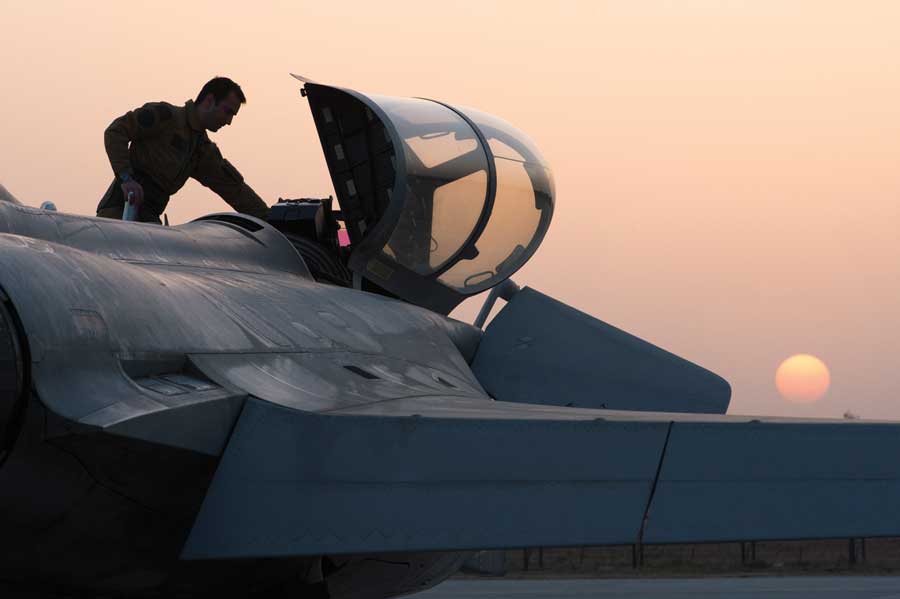
The Tu-214R is the most modern Russian ISR (Intelligence Surveillance Reconnaissance) aircraft.
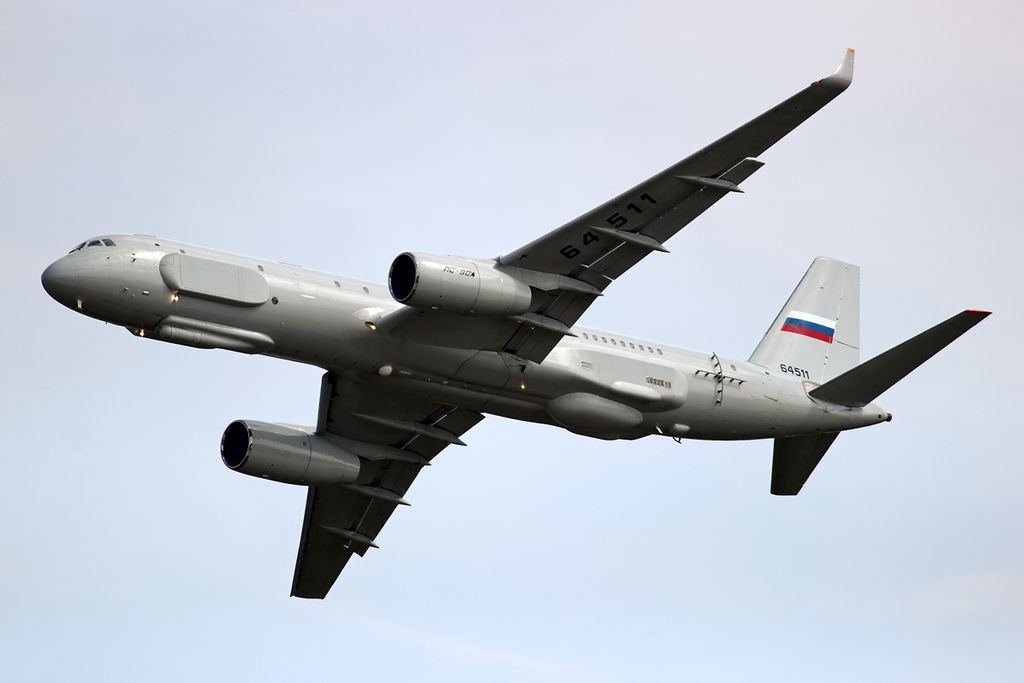

Equipped with sensors to perform ELINT (Electronic Intelligence) and SIGINT (Signal Intelligence) missions as well as with all-weather radar systems and electro-optical sensors that produce photo-like imagery of a large parts of the ground the special mission aircraft, the aircraft can fly multiple intelligence gathering missions: it can intercept and analyse signals emitted by targeted systems (radars, aircraft, radios, combat vehicles, mobile phones etc) while collecting imagery that can be used to identify and pinpoint the enemy forces, even if these are camouflaged or hidden.

Built by KAPO (Kazan Aircraft Production Association) and flown from the company’s airfield in Kazan, the Tu-214R registered RA-64514, serial number 42305014, the second of the two examples of this kind of aircraft built under contract with Russia’s Ministry of Defense (the other being serialled RA-64511), deployed to Latakia airbase in Syria, between Feb. 15 and 29, 2016.

Profile of the Russian Hacking Machine

Andrei Soldatov
August 1, 2016

Cyber Showdown: How Russian Hacking Works

When Russian Foreign Minister Sergey Lavrov was asked about Russia’s potential involvement in the recent hack of Democratic National Committee emails, he appeared genuinely surprised, just stopping short of giving a four-letter word in response. Indeed, the most amazing thing in this rapidly escalating showdown between Russia and the United States is that Lavrov was probably not acting. Apparently, he had not been consulted.

Since the annexation of Crimea, something strange has happened in the Russian government’s handling of sensitive issues, both inside and outside of the country. Many Western diplomats noted that the Russian Foreign Ministry is no longer in charge of defining policy for Ukraine or Syria. Inside of the country, meanwhile, Russian President Vladimir Putin has replaced politicians in key government offices with his own bodyguards. Regional governors are so stupefied by the purges the Kremlin started last September (there are already three governors under arrest) that they refrain from doing anything in the regions they are supposed to be in charge of.

U.S. Democratic presidential candidate Hillary Clinton looks at a computer screen during a campaign stop at Atomic Object company in Grand Rapids, Michigan, U.S. March 7, 2016.Only Putin and his entourage can make decisions, and there always seems to be someone in the group with a ready solution when Putin faces another pressing issue. The more sensitive the matter for the Kremlin, the more drastic the ideas tend to be. The U.S. elections are the most sensitive of all. Democratic candidate Hillary Clinton is seen as a tough and uncompromising adversary. The common assumption is that with Clinton in the White House, sanctions on Russia will remain in place. The Kremlin also believes that Clinton, as secretary of state, supported the protests in Moscow in 2011–12. For Putin, this is reason enough to go on the offensive.

DARK DAYS: TRUMP, CHRISTIANITY, AND A LOW DISHONEST DECADE

August 1, 2016 
Many decades inspire in our popular American memory a certain nostalgia and romanticism. Think of the “roaring ‘20s,” the national purpose and sacrifice of the 1940s, the unity and prosperity of the 1950s, the social revolutions and artistic creativity of the 1960s, or the national renewal of the 1980s.

In contrast, the 1930s is not a decade that inspires much nostalgia. Globally, it was a decade of protectionism and isolationism, authoritarianism and demagoguery, racism and religious bigotry, utopian ideologies and totalitarian genocides, grandiose promises and cruel realities. It saw Europe torn asunder by militarist dictators using threats of violence and eventually unprovoked force to pursue territorial aggrandizement and plunge the continent into war, all while the United States was bitterly divided and demoralized at home, uncertain in its posture abroad. Intellectuals and many policymakers then adopted “crisis” as their watchword, and not without good reason. The 1930s witnessed much more than just mere policy failures and political differences. The very values and institutions of democracy, capitalism, and a peaceful and stable international order themselves faced a crisis of public trust and legitimacy.

Eighty years later, what do we have to do with this dismal decade? More than we might think. It is the era that best explains what Donald Trump represents. Though he was not even alive at the time, Trump embodies the worst ideological commitments and impulses of the 1930s. Various efforts by pundits, scholars, and politicians to compare Trump to a particular leader — whetherBenito Mussolini, Silvio Berlusconi, Adolf Hitler, Joseph Stalin, Joseph McCarthy, Charles Lindbergh, Father Charles Coughlin, or George Wallace — all ultimately fall short. For analogies with individuals, the dissimilarities eclipse the similarities. Instead of being seen as a latter-day incarnation of any one prior historical figure, Trump is best understood as embodying the ethos of an era.

US army War College

 by Dr. M. Chris Mason 
Strategic Insights 


You can access our ongoing podcast series "SSI Live" with our own Dr. John R. Deni. President Barack Obama announced his decision to slow the drawdown of U.S. forces in Afghanistan, leaving 8,400 troops there until the end of his term. Media accounts characterized this as a vote of confidence in Afghanistan's Government, but also an acknowledgement that U.S. efforts to build an Afghan force capable of securing the entire country have fallen short. Will the slower drawdown strengthen U.S. efforts at nation-building in Afghanistan? Is nation-building even possible there or elsewhere? Dr. Deni invited his SSI colleague, Dr. Chris Mason, to discuss Mason's newest publication, a Parametersarticle entitled "Nation-Building is an Oxymoron," as well as last week's announcement on the slowed drawdown. Find this and all other podcasts here and be sure to subscribe. 

Hard Copy Online Ordering 

If you would like to order a hard copy of any publication, for those limited publications where hard copies are available, see the information located on the right-hand side of the publication's page. You may download a digital copy of the selected work free of charge. Free download links for three different digital formats are available on the specific publication's page as well. 

For out of stock publications and our new digital only publications, refer to the new GPO on-demand site. For a small fee, receive many prior publications.Click here to visit.

2016 - 2017 KSIL (Draft) 

A Purge Is a Purge Is a Purge

By Jacob L. Shapiro 
Aug. 1, 2016 

A daily explanation of what matters and what doesn't in the world of geopolitics. 

Four major global powers are in the midst of different types of purges. 

Coups may be going out of style, but purges are in vogue. Some of the world’s most powerful countries are in the midst of purges that reach deep into their political, military and security structures. Chinese President Xi Jinping calls it an anti-corruption campaign, and it has targeted everything from regional governments to vice chairman of the Central Military Commission. In Russia, President Vladimir Putin has reorganized his various security and intelligence services, is cracking down on corruption and cleaning house in some parts of the military. In Turkey, whether you want to call it a counter-coup or President Recep Tayyip ErdoฤŸan taking advantage of the situation to eliminate what he refers to as the “parallel state,” the crackdown is wide ranging. In the U.S., we simply call it “elections.”


A purge can be a sign of strength, a sign of weakness or both. Some purges help to clear the road toward consolidating power. Other purges can so cripple a country’s institutional powers that the short-term benefits give way to disorder and chaos.

Russia-US Rapproachment- A Strategic Imperative:

By Dr Subhash Kapila
01-Aug-2016

Russia and United States estranged relationship impinges on global security and stability with China as a ‘revisionist power’ being the major beneficiary of this estrangement and with vested interests in sustaining this trust-deficit.

Strategic rapprochement between Russia and the United States can fully materialise only when both these global bipolar powers shun playing the ‘China Card’ against each other. Russia and the United States must recognise that any Chinese diplomacy or policy initiatives aimed at currying favours from either Russia or the United States are only ‘temporising moves’ awaiting the full materialisation of its military power by 2020 at the earliest. That could be the earliest that China can throw a military gauntlet against the United States.

Russia needs to recognise the strategic reality that the Russia-China relationship is not a cemented relationship based on enduring strategic convergences. United States too needs to recognise that China as a revisionist power chiefly aims to engineer initially the United States exit from the Western Pacific which is already in evidence. China’s end-game is to prompt the United States abandonment of the Asia Pacific so that Asia is left at the mercy of Chinese dictates. In sum, by such strategies China aims to create a new bi-polar global power structure and thereby emerge as United States ‘strategic equal.’

U.S. Assistance to the Middle East Is Drying Up When the Region Needs It Most

Stephen McInerney
July 18, 2016 

U.S. Assistance to the Middle East Is Drying Up When the Region Needs It Most

At the beginning of the Arab uprisings that swept the Middle East and North Africa in 2011, President Obama declared that the United States would stand with those fighting for human rights and democracy. The rhetoric from him and senior officials raised hopes in the Arab world that important and overdue changes to U.S. policy were imminent.

Since then, transformations have occurred. After a brief period of optimism that widespread democracy would take hold, authoritarian regimes have reasserted themselves with draconian laws targeting civil society. The already limited space for civil organizations, especially pro-democracy groups, is shrinking across the region—most dramatically in Egypt, but also in Jordan, Libya, and Morocco.

During this critical time, Obama’s promise of support couldn’t be more vital. And yet, against the backdrop of declining democracy and increasing repression, U.S. support has been inconsistent, half-hearted, and not backed up by meaningful pressure on the authoritarian allies of the United States. On occasion, the administration has taken stands through private messages or public statements condemning specific crackdowns against civil society. But it has largely failed to follow its words with action.

Do COTS pose a threat? Rand says yes


July 12, 2016 

There is no doubt technology has aided intelligence collection and military operations in the post-9/11 years. However, many of these commercial and open-source technologies and capabilities can be used to potentially stymie military or intelligence operations, according to a Rand Corporation report.

These technologies, the report notes, “are persistent and are dual-use, which means that they can benefit society or harm it. Although they are intended for commercial purposes, such as learning about shoppers’ preferences and finding new markets, they can easily be used by police and security services to identify and track criminals, terrorists, insurgents and spies.”

Technologies including mobile communication devices, commercial GPS and commercial unmanned aircraft have the potential to “disrupt military intelligence operations and to jeopardize the plans, actions, and security of the war fighter. In turn, the intelligence officer, the war fighter, and others who often live and work on the margins and in the gaps of society can use many of these same technologies to skirt government control, as well as to enhance the effectiveness of their operations,” the report states. These technologies are utilized best in urban environments with the primary purpose of tracking individuals and patterns of behavior.

Cover: A Rapidly Changing Urban Environment Read Online A Rapidly Changing Urban Environment How Commercial Technologies Can Affect Military Intelligence Operations


A Rapidly Changing Urban Environment
How Commercial Technologies Can Affect Military Intelligence Operations

Related Topics: 


DOWNLOAD FREE ELECTRONIC DOCUMENT


0.4 MB 

Technical Details » 

Commonplace commercial technologies can be combined and used in unique ways to reshape an urban environment and disrupt how we live and work, in the United States and abroad. The technologies are not new but are becoming ubiquitous and are being used in new ways. The technologies highlight a democratizing trend that gives more people the freedom and power to use any number of new, commercially available technologies to innovate and to challenge existing government rules and community practices. This democratizing trend, however, comes at a cost to privacy, security, and secrecy and is changing the way people interact socially and politically. It is changing the way we conduct business, diplomacy, intelligence operations, and war, the future of which is likely to be increasingly urban in nature.

Research conducted by

How to avoid ransomware attacks: 10 tips

July 27, 2016

As ransomware increasingly targets healthcare organizations, schools and government agencies, security experts offer advice to help IT leaders prepare and protect. 

Nigerian princes are no longer the only menaces lurking in an employee's inbox. For healthcare organizations, schools, government agencies and many businesses, ransomware attacks—an especially sinister type of malware delivered through spear phishing emails that locks up valuable data assets and demands a ransom to release them—are a rapidly-growing security threat.

"We're currently seeing a massive explosion in innovation in the types of ransomware and the ways it's getting into organizations," says Rick McElroy, security strategist for cyber security company Carbon Black Enterprise Response. "It's a big business, and the return on investment to attackers is there—it's going to get worse."

While ransomware has existed for years, 2015 saw a spike in activity. The FBI received 2,453 complaints, with losses of over $1.6 million, up from 1,402 complaints the year before, according to annual reports from the bureau's Internet Crime Complaint Center. And the numbers are only growing in 2016, the FBIreports.

New US cybersecurity plan makes it easier for businesses to get help after an attack

July 27, 2016
Source Link

US President Barack Obama recently published a policy directive for cyber incident coordination, which outlines how the government should respond to cybersecurity attacks. 

US President Barack Obama issued a policy directive on Tuesday detailing how the federal government should respond to incidents of cybersecurity. The directive, also known as PPD-41, pushed for shared responsibly and unity regarding attacks, and added some clarity for the channels through which private sector organizations report incidents to government agencies.

In the directive's introduction, Obama called cyber incidents "a fact of contemporary life," but noted that they were "occurring with increasing frequency, impacting public and private infrastructure located in the United States and abroad." This new directive aims to better position responses to cyber incidents happening in the government or the private sector.

Early on, the directive seeks to differentiate between a "cyber incident" and a "significant cyber incident." A cyber incident, it seems, simply refers to a run-of-the-mill security breach or attack, while a significant cyber incident is one that it "likely to result in demonstrable harm to the national security interests, foreign relations, or economy of the United States or to the public confidence, civil liberties, or public health and safety of the American people."

"How the Federal Government defines an incident will determine its response and the response expected by other parties involved in the cyber incident," said security expert and TechRepublic columnist Michael P. Kassner. "That kind of clarification might go a long way to remove confusion as well as any after-the-fact blame game."

The cyberwar begins: US believed to 'hack back' at Russia following Democratic Party email leaks

August 1, 2016 

While tensions between the world's superpowers in relation to hacking and cyber-espionage continues to escalate, the suspected state-sponsored hack at the Democratic National Committee (DNC) by alleged Kremlin-linked groups threatens to turn the term 'cyberwar' from rhetoric into reality. 

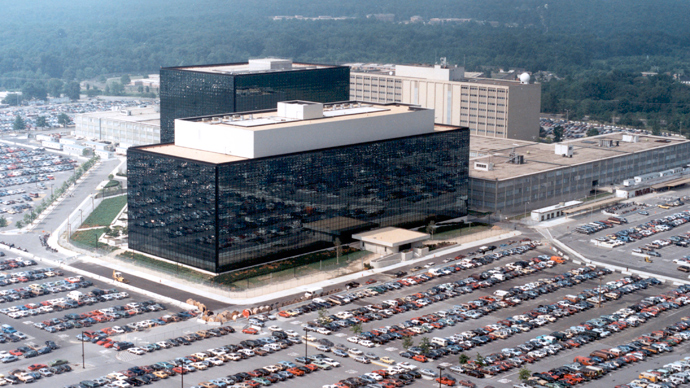
Amid mounting evidence that at least two hacking groups – dubbed Cosy Bear and Fancy Bear – were able to infiltrate computer networks used by the US Democratic Party, the National Security Agency (NSA) has openly reaffirmed it has the capability – and legal authority – to "hack back" against chosen foreign targets, including government-linked adversaries. 

"In terms of the foreign intelligence mission, one of the things we have to do is try to understand who did a breach, who is responsible for a breach," Robert Joyce, chief of the NSA's secretive 'Tailored Access Operations' told NBC News in an interview. 

"We will use the NSA's authorities to pursue foreign intelligence to try to get back into that collection, to understand who did it and get the attribution. That's hard work, but that's one of the responsibilities we have." 

While Joyce declined to discuss the DNC breach specifically, which the FBI is now investigating, he did note the NSA has the "technical capabilities and legal authorities" which allows the agency to 'hack back' against suspected groups for intelligence gathering purposes. At least three intelligence sources told ABC News such NSA activities are already likely to have started. 

How hackers attacked Ukraine's power grid: Implications for Industrial IoT security

March 4, 2016

The December 2015 cyberattacks on Ukranian power utilities were rare in that actual damage was inflicted. But there's ample evidence of widespread infiltration into organisations' operational systems. 

The former Soviet republic of Ukraine has been a trouble-spot since early 2014, which saw the 'Euromaidan' revolution in support of closer EU integration, the Russian annexation of Crimea and the start of the ongoing pro-Russian separatist insurgency.

To add to their woes, large sections of the Ukrainian population suffered power cuts over Christmas 2015 following a series of cyberattacks on three local energy companies. Although widely suspected to be from Russia, the identity of the hackers remains unclear as attribution in these matters is complex. However, the primary attack vector -- a well-known trojan calledBlackEnergy -- has been definitively established.

The details of how the Ukranian utility companies' operational systems were compromised makes for an instructive case study illustrating the multifaceted nature of today's cyberattacks, and the vulnerability of organisations in the Industrial Internet of Things (IIoT).
How the Ukraine attacks played out

Arundhati Roy on ‘Bill and Melinda Gates’s pillow talk’


‘But seriously – what is one couple doing with that much money’?

My phone rang at three in the morning. It was John Cusack asking me if I would go with him to Moscow to meet Edward Snowden. I’d met John several times; I’d walked the streets of Chicago with him, a hulking fellow hunched into his black hoodie, trying not to be recognised.

I’d seen and loved several of the iconic films he has written and acted in and I knew that he’d come out early on Snowden’s side with “The Snowden Principle,” an essay he wrote only days after the story broke and the US government was calling for Snowden’s head. We had had conversations that usually lasted several hours, but I embraced Cusack as a true comrade only after I opened his freezer and found nothing but an old brass bus horn and a pair of small antlers.

I told him that I would love to meet Edward Snowden in Moscow.

The other person who would be travelling with us was Daniel Ellsberg – the Snowden of the ’60s – the whistleblower who made public the Pentagon Papers during the war in Vietnam. I had met Dan briefly, more than ten years ago, when he gave me his book, Secrets: A Memoir of Vietnam and the Pentagon Papers.

2 August 2016

*** When will India stop rewarding incompetence in the military?


Outstanding officers with a strong individuality and intellectual curiosity get culled by the stubborn seniority system.

In his seminal On the Psychology of Military Incompetence Norman Dixon poses the questions: "How, if they are so lacking in intelligence, do people become senior military commanders? And what is it about military organisations that they should attract, promote and ultimately tolerate those whose performance at the highest levels brings opprobrium on the organisations they represent?"

Fortunately we have not had a major war in recent times to test the mettle of our commanders. But even in peacetime, many have, unfortunately, managed by their acts of omission and commission to bring opprobrium on our military.

The upper echelons of India's military are now visibly dense with incompetent and uninspiring leaders, who simply managed to get good ACR's year after year with bland obsequiousness.

They then go about expecting the same from their subordinates, and get it in plenty. Outstanding officers with a strong individuality and intellectual curiosity get culled by the stubborn seniority system, adopted from the bureaucracy.

“I Didn’t Want Pakistani Stray Dogs Eating My Dead Body”

By Lt Gen HS Panag, PVSM, AVSM (Retd.)
01 Aug , 2016

In 1971, Sepoy Baldev Singh survived against all odds. This is his story.

In 1971, 9 Sikh was manning the Cease Fire Line (CFL) — as the Line of Control (LOC) was known then — along the Shamshabari Range, extending from Tutmari Gali to Nastachun Pass in Jammu and Kashmir. Both these passes are more than 11,000 feet high. It was tasked to attack across the CFL and capture the Kayian Bowl – ‘bowl’ in military jargon implies a small valley surrounded by steep mountain ridges – which was 3,000 feet below to the south west of Tutmari Gali. Kayian Bowl was defended by a company of Tochi Scouts which held five tactical features dominating the bowl.

Winter had set in and night temperatures were below zero degree when 9 Sikh launched its operations on the night of December 5-6, 1971. Due to paucity of resources and no road communications to Tutmari Gali, 9 Sikh had no artillery support. The unit was raised in 1963. It had some of the most dynamic young officers of the Sikh Regiment led by their equally dynamic Commanding Officer, Lieutenant Colonel Sam Chengappa. To make up for lack of fire support, 9 Sikh adopted German tactics of infiltration attacks, which were based on the concepts of ‘reconnaissance pull’ and ‘surfaces and gaps’ — an attacking force is led by the reconnaissance patrols that locate the gaps between the defences.

The ‘surfaces’, i.e. the defences, are avoided and the weaker defences in the rear are attacked first, cutting off the routes of logistic maintenance and withdrawal. The stronger main defences are then attacked from the rear.

Through a series of spectacular attacks, the enemy was routed and an area of 46 square kilometres was captured. Then, 9 Sikh launched raids and set up road blocks in the Lipa Valley to assist the operations of other units attacking Lipa Valley West from the direction of Tangdhar. On the night of December 14-15, 48 hours before the ceasefire was declared, the Commando Platoon of 9 Sikh led by Captain Karam Singh Virk, was going for one such raid to establish a road block at Brithwari Gali.

Not Many Understand ‘Jammu and Kashmir’

By Ayushman Jamwal
01 Aug , 2016

The crisis continues in Kashmir and the narrative is no different. In the imagination of the mainstream, the region continues to be a distant, mystical land, a poetic setting of conflict and beauty, with no dearth of horrifying and tragic stories. Every terror attack and political crisis is underscored by the specter of Kashmiri nationalism and the insensitivity and brutality of the Indian state. The mainstream’s understanding of Jammu and Kashmir has consistently been confined to the valley. It has all the material to feed a 24-hour news cycle and for armchair intellectuals to test their rhetorical mettle. 

However, the regions of Jammu and Ladakh, which are actively affected by the upheaval in the valley, are brazenly ignored in the Kashmir conversation. 

In every evening news show one will see Kashmiri politicians and activists, many of them based in New Delhi, rubbing shoulders with ‘senior journalists’ who regurgitate pre-historic bylines on the situation in the valley.

The Kashmir conversation is nothing more than a rhetorical boxing match seldom based on the organic truth, where in the words of Isaac Asimov, “one’s ignorance becomes as good as another’s knowledge”. Not even a politician or an activist from the Jammu or Ladakh region is included in the discussion in order to present a broader socio-political perspective of the situation in the state.

Jammu and Ladakh’s politically inert nature tends to make them less interesting candidates for the national news as compared to their neighbour. This may be the reason why whenever I say that my family hails from the Jammu region of J&K, literally everyone’s first response is “Are you Kashmiri?” 

Aircraft Induction: IAF’s Predicament

By Gp Capt PK Mulay
01 Aug , 2016

Indian Air Force’s aircraft acquisitions attract worldwide attention mainly due to the order size and the costs involved. It is thus quite natural that its acquisition plans would be discussed threadbare with many articles and analyses, some being very critical of the final choice. The same has happened after the announcement of the purchase of a limited number of Rafale fighters and the more recent induction of LCA, Tejas.

The future induction plans of the IAF are at a crucial stage where its fleet strength is fast dwindling and the replacements are either not matching up to its expectations or are proving very expensive.

Numerous articles have been published some for and others against these moves. Most of the discussions however, focused mainly on the platform per se, its generation, costs and at times fleetingly touching on the capabilities.

The IAF currently faces a dilemma of sorts. The aircraft of its choice, the Rafale, is turning out to be excessively costly, while the indigenously developed LCA is not measuring up to its expectations in terms of the status, performance, time delays and limitations. The future induction plans of the IAF are at a crucial stage where its fleet strength is fast dwindling and the replacements are either not matching up to its expectations or are proving very expensive.

Many answers have been suggested. But somehow the discussions have focused on a limited number of issues. Many important or crucial issues have not been highlighted. The aspects which seem to have been overlooked and which merit consideration need to be brought on to the table. Only then can a holistic view be taken.

The Government’s Burden of Military Security

By Lt Gen Gautam Banerjee
31 Jul , 2016

It needs no revelation that there is widespread consternation within the strategically committed community, the intelligentsia and the media over the growing obsolescence and declining operational capability of the ultimate cutting instrument of national power – the military force-structure. Thus in spite of maintaining the third largest military force in the world, there is imposition of only a fractional deterrence upon the perennial adversaries while they keep jabbing hurtfully at rib of the Indian nationhood. The new political leadership is apparently intent on remedying that undesirable situation. Therefore, to turn its rhetoric into action, the NDA government has to acknowledge that there are two distinct aspects to the amelioration of that undesirable stage, and tackled these on priority if its political pronouncements are to gain respectability from the citizenry.

‘Salus republicae suprema lex’ (Safety of nation is the supreme law) —Latin proverb

The previous government’s pusillanimity against neighbourhood bullying had caused deep consternation among the nation’s strategic fraternity…

A New Agenda for National Defence

Inter-State Council and Internal Security

By Shashank Ranjan
31 Jul , 2016

Chairing the 11th meeting of the Inter-State Council (ISC) on July 13, Prime Minister Narendra Modi noted that “[t]he nation can only progress if the State and the Centre work shoulder to shoulder.” And with reference to internal security, he observed that it was not possible to strengthen it if intelligence exchange was not improved. He, therefore, requested States to focus on intelligence-sharing in order to help the country stay “alert” to, and “updated” on, internal security challenges.1 The meeting, held for the first time after 2006, had internal security as one of its main agendas.

The ISC has met ten times so far. Its first seven meetings mainly discussed the recommendations of the Sarkaria Commission, which had been established in June 1983 to review the working of the existing arrangements between the Union and the States. In the eighth meeting, the emphasis was on optimal utilization of the ISC to sort out, and reach consensus on, emerging issues of national importance, especially in socio-economic sectors, so as to facilitate cooperation between the States and the Centre, leading to concrete implementation. At the ISC’s ninth meeting in June 2005, the emphasis was on good governance, while the tenth meeting held in December 2006 focused on implementation of SC & ST (Prevention of Atrocities) Act, 1989.2

The ISC is a recommendatory body with the following duties:3
Investigating and discussing such subjects, in which some or all of the States or the Union and one or more of the States have a common interest.
Making recommendations upon any such subject and in particular recommendations for the better coordination of policy and action with respect to that subject.
Deliberating upon such other matters of general interest to the States as may be referred by the Chairman to the Council.

US war hawks’ Eurasia goal: Prevent Russo-German coalition, China’s OBOR project


US wants to stop a coalition between Germany and Russia because the combination of German capital and technology with Russian natural resources and manpower can counter American dominance. Its move to destabilize and throw countries “off balance” in Eurasia threatens China’s “One Belt, One Road” project that would help Eurasian economic integration and reduce ungoverned space for terrorist organizations to thrive. The world now waits to see if the US November election can usher in a new era of a multi-partner world to confront global challenges

It seems the American people and US allies from Europe to Asia are increasingly disenchanted with Washington war hawks’ policies that are threatening global stability.

At the Democratic National Convention, angry delegates shouted “no more war” when former CIA director and defense secretary Leon Panetta began to criticize Trump.[1]

Although Panetta appeared to be surprised and taken aback, the delegates’ frustrations should be understandable. After the Beltway war hawks wasted trillions of taxpayer dollars in endless counter-productive wars in Afghanistan, Libya, Iraq and Syria that have destroyed their countries and empowered Islamic State (IS) and al-Qaeda, and mortgaging the prosperity of America’s future generations with a $21 trillion debt burden, Americans have had it.

A Death Knell for the National Military

Atul Bhardwaj
30 Jul, 2016

The Indian soldier is in a state of stupor. The civil–military relations in the country are in crisis. The government’s policies are aggravating the situation, alienating the armed forces by lowering their status and salaries in comparison to other arms of the state. Neo-liberal forces are using the crisis as an opportunity to introduce military transformation that would splinter the national military and replace patriotism with profi teering.

The Indian armed forces are in a state of shock. The irony is that the nationalist political party considered most sympathetic to their cause is administering the shock therapy. The expectations of the military on pay and pension have been belied. In 2015, the veterans were forced to take to the streets demanding the implementation of One Rank One Pension (OROP). The government unleashed the police on protesting veterans.

After vacillating on the issue, a distorted version of the OROP was announced in November 2015. Contrary to the accepted understanding of the annual revision and equalisation of pensions, the government fixed equalisation to once in five years. Initially, officers who sought premature retirement after completing the 20-year mandatory pensionable service were precluded from the OROP scheme. Later, the government relented and all officers who had taken premature retirement up to the date of issuance of the government notification were included in the OROP scheme. However, the future premature retirees are denied the OROP benefits.

The deliberate attacks on the dignity of the armed forces did not stop after the OROP fiasco. The latest Seventh Pay Commission award has further enraged the armed forces community. The government has conveniently ignored the long-standing grievance of the armed forces on the issue of “non-functional upgradation” (NFU). The military has once again been denied NFU pay, which is enjoyed by the Group A central services. The military has been deliberately lowered in protocol terms. This reshuffling of the order-of-precedence in the government has aggravated the feeling of alienation among the armed forces. The seething rage is strewn all across social media.

That inept 'Saint Antony'

July 29, 2016

'It was almost as though there was widespread relief that the defence bureaucracy, and the minister, could find someone willing to shoulder the blame for everything that had gone wrong with the services under Antony's charge -- the poor preparedness of the forces, slow acquisitions caused by indecision, cancellation of contracts and whimsical blacklisting of defence contractors over the tiniest suspicion that they may have paid speed money or kickbacks.'

Ravi Velloor, associate editor at Singapore's Straits Times, reveals what went on at the defence ministry under A K Antony's watch in his riveting new book, India Rising: Fresh Hopes New Fear.
An exclusive excerpt from the must-read book.


IMAGE: Admiral D K Joshi, then Chief of the Naval Staff, briefs then Defence Minister A K Antony about the sinking of the INS Sindhurakshak submarine following an explosion, in Mumbai on August 14, 2013. Photograph: Press Information Bureau

Expenditure on Modernization of Defence Forces

Jul 30, 2016 

Modernization of Defence Forces

The details of the total amount spent on modernization of defence forces during the last three years are as follows:

(Rs. in crore)

Financial Year Total allocation Actual Expenditure on modernization

2013-14 73,444.59 66,850.30

2014-15 75,148.03 65,862.38

2015-16 77,406.69 62,341.87

The budgetary provision of Rs.69,898.51.00 crores for the financial year 2016-17 made for the Defence Services Estimates is 27.45% less than the projected requirements (Rs.96,343.03) of the various Services / Departments. The funds allocated are adequate to meet the contractual commitments and some fresh modernization schemes for the present. Additional requirement of funds as necessary will be projected depending on pace of utilization of allocation, progress of ongoing and new modernization schemes and other priority requirements.

Modernisation of Ordnance Factories

Jul 30, 2016

Modernisation of Ordnance Factories

Performance of Ordnance Factories is being regularly reviewed by Ordnance Factory Board. Some of the major steps taken in this regard are as follows:

(i) Modernization of Ordnance Factories to keep pace with the latest technology and to maintain the production capacity in tandem with the requirement of Armed Forces. As compared to an expenditure of Rs.2927 crore in the 11th Plan, already an expenditure of Rs.4239 crore has been incurred during the first four years (2012-16) of the 12th Plan. In 2016-17, an expenditure of Rs.1169.67 crore is envisaged.

(ii) To improve upon the production planning in Ordnance Factory Board (OFB), Army has started placing 5 years roll-on indents for ammunition items.

(iii) Quality Audit Groups (QAG) have been formed at 10 centers as an independent authority for giving impetus to and ensuring quality in Ordnance Factories.

(iv) 13 Ordnance Development Centres (ODCs) with identified core technologies have been created to take up product development and improvement in core product areas.

Ministry has been delegating powers to Ordnance Factory Board (OFB) from time to time for providing operational freedom and expedite decision making process by them.

This information was given by Defence Minister Shri Manohar Parrikar in a written reply to Shri E. T. Mohammed Basheer in Lok Sabha.

Strategic Partners for Domestic Manufacturing

Jul 30, 2016 

Strategic Partners for Domestic Manufacturing

The Government is committed to the goal of achieving self-reliance in our defence capabilities. Accordingly, the concept of ‘Make in India’ is a focal point of the current defence acquisition policy and procedures. The Defence Procurement Procedure (DPP) focuses on giving boost to the ‘Make in India’ initiative of the Government through indigenous design, development and manufacturing of defence equipment, platforms and systems. A new category viz. ‘Buy (Indian-IDDM)’ [Indigenously Designed, Developed and Manufactured] has been introduced as the most preferred category of Procurement. The ‘Make’ procedure has been simplified to ensure increased participation of Indian Industry. There is provision for Government funding of upto 90% in cases involving design and development systems / equipment which necessitate harnessing of critical technologies and which may involve large infrastructure investment. Provisions for involving private industry as Production Agencies and Technology Transfer Partners have been incorporated. The role of MSMEs has also been enhanced in the defence sector.

The V.K. Aatre Task Force was constituted by Government to lay down criteria for selection of the Strategic Partners for various platforms from the Private Sector Industry. It has presented its Report to Government.

This information was given by Defence Minister Shri Manohar Parrikar in a written reply to Dr. Bhola Singh and Shrimati Poonamben Maadam in Lok Sabha. 

Boosting indigenous defence production

Jul 20, 2016 

Boosting indigenous defence production

The Defence Production Policy promulgated by Government of India aims at achieving substantive self-reliance in the design, development and production of equipment, weapon systems, platforms required for defence in as early a time frame possible; creating conditions conducive for the private industry to take an active role in this endeavour, enhancing potential of SMEs in indigenisation and broadening the defence R&D base of the country.

In pursuance to the aforesaid policy, progressive development of competence level of Indian public and private industry and in line with the ‘Make in India’ initiative, the Government has taken several policy measures to give a boost to indigenous production of defence equipment requirement, which inter-alia, include preference to ‘Buy (Indian-IDDM)’, `Buy (Indian)’ and `Buy & Make (Indian)’ categories of acquisition over ‘Buy (Global)’ category in defence procurement; liberalisation of Foreign Direct Investment and Industrial Licensing Policy; level-playing-field between private sector and public sector through removing anomalies in taxation in Customs / Excise duty etc.

HAL is an autonomous entity and therefore based on the available opportunities, it takes decisions for diversification into other areas of aerospace sector which includes manufacture of commercial aircrafts also. However, such diversification plans are contingent upon financial viability of the projects and the requirements of Indian Armed Forces.

This information was given by Minister of State for Defence Dr. Subhash Bhamre in a written reply to Shri CP Narayanan in Rajya Sabha today. 

China: The People’s Fury


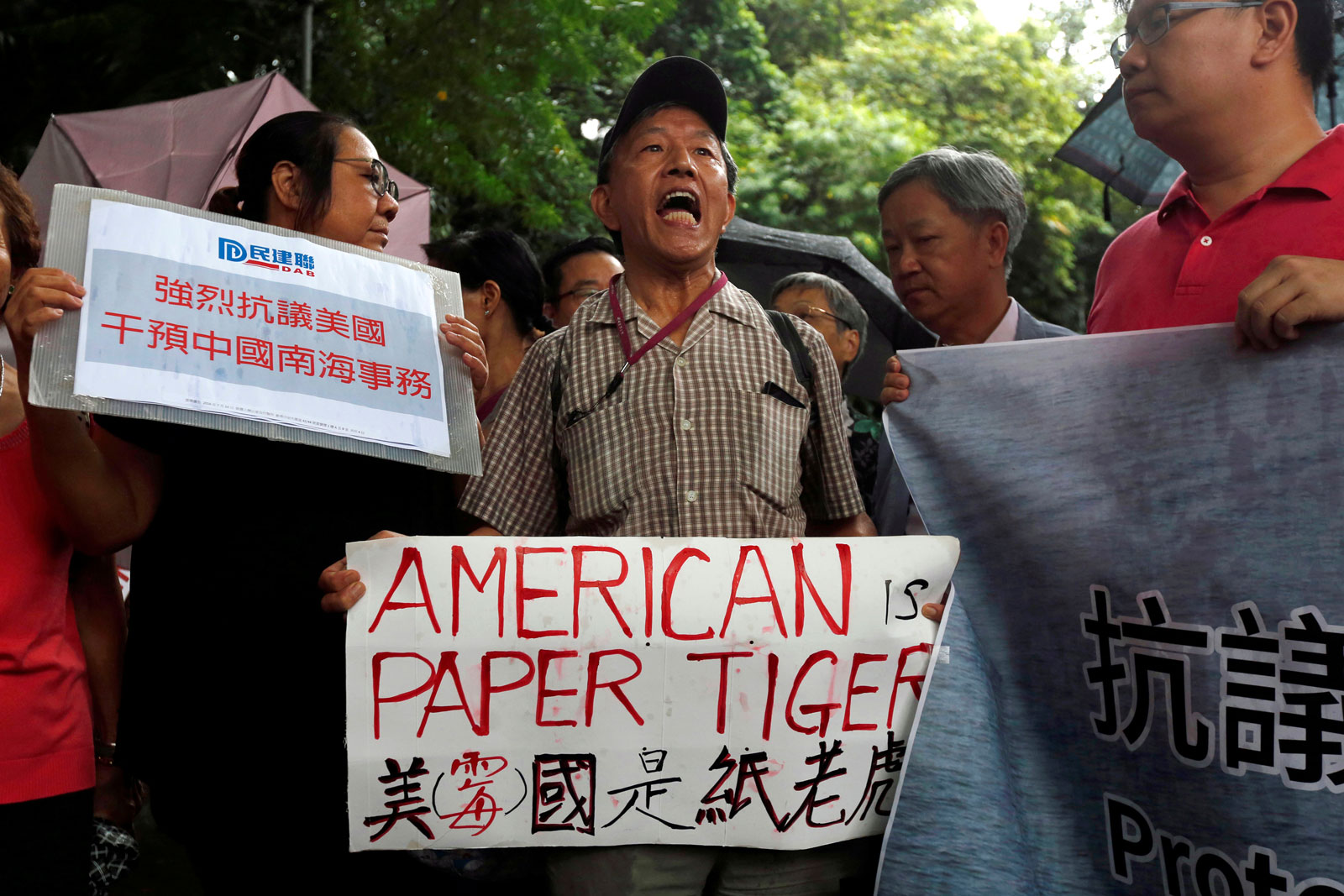
Chinese protesters outside the US Consulate in Hong Kong, following an international court ruling against China’s claims to the South China Sea, Hong Kong, China, July 14, 2016

It has long been routine to find in both China’s official news organizations and its social media a barrage of anti-American comment, but rarely has it reached quite the intensity and fury of the last few days. There have been calls from citizens on the country’s social media platforms to boycott KFC, Starbucks, and the iPhone 7, accusations against the US of waging a new “war” against China, and threats that the Philippines, a close US ally, will be turned into a Chinese province. All of this is in response to the July 12 ruling against China by the Law of the Sea Tribunal in the Hague, which found Beijing to be engaging in a host of illegal actions and violations of international law as it has pressed its territorial claims in the South China Sea. The five-member panel, set up as part of the United Nations Convention on the Law of the Sea, or UNCLOS, had been asked by the Philippines to arbitrate its dispute with China. The tribunal declared that China’s exclusion of Filipino fisherman from the area, its building of half a dozen artificial islands, and the damage it has done to coral reefs and endangered species are violations of the law. 

Immediately after the decision, some one hundred of China’s most famous actors, musicians, television personalities, and other celebrities furiously denounced the tribunal on social media, reproducing a map of the disputed area and declaring, “China’s territorial sovereignty is not a matter for arbitration.” An image of a poster made its way around the Chinese web, showing one of the artificial islands and airstrips that China has built on disputed territory with the legend: “South China Sea: Our Beautiful Motherland; We won’t let go an inch.” Much of the comment about the tribunal’s decision has been explicitly, angrily, even frighteningly anti-American. The United States and the Philippines, the state-run Xinhua news agency said, “have conspired for a long time to blackmail China,” and they are doing that now “through a tribunal that tramples on international justice.” 

Interview with Daniel Pipes: 'The Battle against Islamism Has Not Yet Started'

July 25, 2016

Global Review: Mr. Pipes, what do you think of Samuel Huntington's book Clash of Civilizations? Are religions the defining moments of culture, despite the Enlightenment and globalization? Where was Huntington right and where wrong?

Daniel Pipes: Huntington made some very major mistakes which have become increasingly evident in the two decades since he aired his thesis. For example, he thought U.S. tensions with Japan in the 1990s resulted from civilizational differences; a decade later, those tensions disappeared, replaced by far more severe problems with Europe, even though the United States and Europe form part of the same civilization. The real divisions, as always, remain political, not civilizational.

GR: Many people say that Islam is not a religion but a reactionary, totalitarian and repressive ideology comparable to fascism and communism; and that Islam cannot be reformed. Other people say that Islamism had nothing to do with religion and Islam. What do you say about relations between Islam and Islamism?

DP: Both these statements are silly. Of course, Islam is one of the major religions of the world; what is there to argue about? Islamism, a modern movement, however, shares much with fascism and communism. Islamism is a form of Islam. Denying this would be akin to saying that the Jesuits are not Christian.

GR: Some experts compare Islam with Confucianism and Hinduism. They note that in the 1950s, Confucian societies were thought unable to develop economically and socially, and that Confucianism was seen as an obstacle to progress; same with Hinduism in India.