BY MICHAEL O'HANLON
 President Trump has approved a plan, hatched more by his ambassador in Berlin than by the Pentagon, to further downsize the United States military presence in Germany, according to some recent reports. The change was disturbingly motivated out of his spite at Chancellor Angela Merkel.
The 35,000 American troops in Germany would be reduced by 10,000, as some would come home and some would possibly head to Poland. While there is nothing wrong with increasing the modest United States military presence in Poland, this must not be at the expense of a strong foothold in Germany, where American forces stood in the hundreds of thousands amid the Cold War and have been reduced in the last few decades.
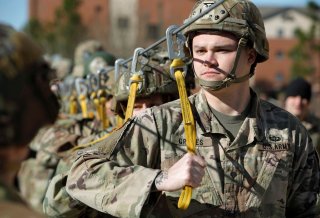
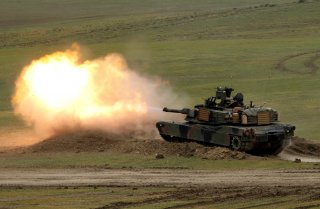
American forces in Germany are mostly Army and Air Force units. They include an armored brigade and a fighter wing, then logistics, supports, and headquarters capabilities that facilitate any massive reinforcements that could be needed to defend the North Atlantic Treaty Organization in war. If there were a crisis in the Baltic region, the United States would be unlikely to send most of its forces directly to Estonia, Latvia, or Lithuania. These small exposed countries have only a few major ports and airfields between them, and are all dangerously close to Russian firepower.