21 June 2022

Russia’s Small Nukes are a Big Problem for European Security

Peter Brookes

With Russia’s ongoing war in Ukraine, now is a good time to take note of a little-spoken-of, but glaring, imbalance between America’s and Russia’s nuclear arsenals—and how it could affect stability in Europe and the interests of the United States and those of its European allies and partners.

If asked, many Americans and Europeans probably believe that the United States and Russia are pretty evenly matched in terms of the number of nuclear weapons both sides have in their arsenals. While their beliefs are entirely understandable, they are not completely correct.

Under the 2010 bilateral New Strategic Arms Reduction Treaty—also known as New START—the United States and Russia have a similar number of deployed strategic (i.e., high-yield and long-range) nuclear weapons: 1,550 deployed nuclear warheads each. But not all of Washington’s or Moscow’s nuclear weapons are covered by New START.

America and Russia Are in a New Kind of War

James Jay Carafano

The war against Ukraine has brought U.S.-Russian relations to their lowest point in modern history. Russia is demonstrating that it has no regard for human rights, nations’ sovereignty and territorial integrity, or nations’ right to determine their own future. Russian President Vladimir Putin clearly has imperialist ambitions. Ukraine did not provoke the war, and Putin likely would prefer to convert Ukraine into Russian territory once again. This is not another Cold War. There is nothing “cold” about naked, violent aggression. This is a new kind of war and the U.S. and its friends allies in the transatlantic community are going to learn how to fight. For starters, the transatlantic community needs to checkmate Putin’s two most important weapons—his military and Russia’s use of energy to blackmail, coerce, and profit.

Strengthening for the Fight

To hold the Russian Federation accountable for its war crimes in Ukraine, support Ukraine, and strengthen the North Atlantic Treaty Organization (NATO), the United States has taken several actions. (The following list is not exhaustive of all U.S. actions taken since February 24, the start of the war, however.) Washington has imposed multiple rounds of sanctions on Moscow, sending the Russian economy south. The Russian ruble now is worth less than one cent in the American economy. The U.S. imposed restrictions on transactions with Russia’s central bank and transactions by U.S. financial institutions with Sberbank, and imposed sanctions on Russia’s VTB Bank and four other financial institutions, VEB, the Russian Direct Investment Fund, the Nord Stream 2 pipeline and its chief executive officer, several defense-related entities, Vladimir Putin, Russian Foreign Minister Sergei Lavrov, several Kremlin-connected oligarchs, and more. It also cut selected Russian banks from the Society for Worldwide Interbank Financial Telecommunication (SWIFT) messaging system to “ensure that these banks are disconnected from the international financial system and harm their ability to operate globally.” In addition, the United States is providing to Ukraine advanced weaponry, such as Javelin anti-tank missiles and Stinger anti-aircraft systems, additional military assistance including grenade launchers, rifles, pistols, body armor, and helmets, and humanitarian assistance. The United States also sent approximately 14,000 troops to Germany, Poland, and Romania to reinforce NATO’s Eastern flank, in case the war encroaches onto NATO territory.

U.S. Restraint Has Created an Unstable and Dangerous World

H. R. McMaster and Gabriel Scheinmann

The Biden administration failed to deter Russia from its second invasion of Ukraine. Like his predecessors in the White House, U.S. President Joe Biden went to great lengths to placate and reassure Russian President Vladimir Putin in return for stable relations. Biden defied Congress when he refused to sanction the Nord Stream 2 pipeline, unilaterally extended U.S. adherence to the New Strategic Arms Reduction Treaty without reciprocation by Russia, and honored Putin with a bilateral summit during his first overseas trip. As Putin amassed his troops on Ukraine’s borders, Biden pulled U.S. naval forces out of the Black Sea, refused to send additional weapons to Ukraine, enumerated everything the United States would not do to help Ukraine defend itself, and evacuated U.S. Embassy staff and military advisors. More broadly, the administration proposed a real cut to the defense budget; sought to reduce the role of nuclear weapons in U.S. defense strategy; restricted U.S. production capacity for oil, gas, and refined products that might have displaced Russian supplies; and signaled its willingness to overlook Russian and Chinese aggression in exchange for hollow pledges of cooperation on global issues such as climate change. After surrendering Afghanistan to a terrorist organization and conducting a humiliating retreat from Kabul, the administration’s attempts to deter the Russian invasion with threats of punishment were simply not credible.

Dangerous Straits: Wargaming a Future Conflict over Taiwan

Stacie Pettyjohn, Becca Wasser and Chris Dougherty

Executive Summary

Until recently, U.S. policymakers and subject matter experts have viewed the People’s Republic of China’s (PRC’s) forcible unification with Taiwan as a distant threat. But the mix of rapid Chinese military modernization, a narrow window for localized near-parity with the U.S. military, and growing pessimism about the prospects for peaceful unification may lead the PRC to perceive that it has the ability to pursue a successful operation against Taiwan. Beijing’s lessons learned from Russia’s invasion of Ukraine could prompt the People’s Liberation Army (PLA) to adjust its war plans for Taiwan to become more effective and deadly. Coupled together, these developments may suggest an accelerated timeline for seizing Taiwan. It is therefore urgent that the United States, in conjunction with its regional allies and partners, identify ways to deter the PRC from invading Taiwan and prevent a future conflict.

To do so, the Gaming Lab at CNAS, in partnership with NBC’s Meet the Press, conducted a high-level strategic-operational wargame exploring a fictional war over Taiwan, set in 2027. The wargame sought to illuminate the dilemmas that U.S. and Chinese policymakers might face in such a conflict, along with the strategies they might adopt to achieve their overarching objectives. The game was intended to produce insights as to how the United States and its allies and partners could deter the PRC from invading Taiwan and could better position themselves to defend Taiwan and defeat such aggression should deterrence fail.

US INDO-PACIFIC STRATEGY, ALLIANCES AND SECURITY PARTNERSHIPS


For more than a decade, successive administrations in the United States have struggled to prioritise the Indo-Pacific. Although President Joe Biden’s Indo-Pacific Strategy has placed the region at the top of Washington’s global priorities, US rhetoric has been matched only partially with the actions and resources required to transform its regional strategic position following years of underinvestment. Washington must intensify its eff orts on all three elements of US regional defence strategy – prioritisation, posture and partnerships – if it is to have any hope of upholding a favourable Indo-Pacific balance of power amid China’s growing capabilities and assertiveness.


The US can no longer guarantee a favourable regional balance of power by itself. There is a growing consensus in Washington that a collective approach to Indo-Pacific defence strategy is required – one that strengthens US regional capacity for high-end deterrence and war fighting and actively empowers and leverages allies and partners.


It is one thing to outline Indo-Pacific ambitions and another to deliver them amid competing priorities. In 2021 and early 2022, the Biden administration has had to navigate this trade-off in the face of two major crises: its messy departure from Afghanistan and Russia’s invasion of Ukraine. Balancing simultaneous competition with Russia and China will remain a considerable challenge, complicating plans to deploy resources and attention to the Indo-Pacific.

20 June 2022

The Risk of Russian Cyber Retaliation for the United States Sending Rockets to Ukraine


For months President Biden and his administration have warned of possible Russian cyberattacks against American infrastructure. On March 21, Biden urged American business leaders to harden their companies’ cyber defenses immediately. He said Russian President Putin is “likely to use cyberattacks as a form of retaliation” for U.S. actions to counter the Russian invasion into Ukraine. His alarm followed an FBI advisory that hackers with Russian internet addresses were scanning the networks of five U.S. energy companies. On April 18, U.S. officials ramped up warnings that Russian state actors are “looking for weaknesses in our systems.” Even though evolving intelligence indicates Russian planning for cyberattacks, none yet have emerged on American soil.

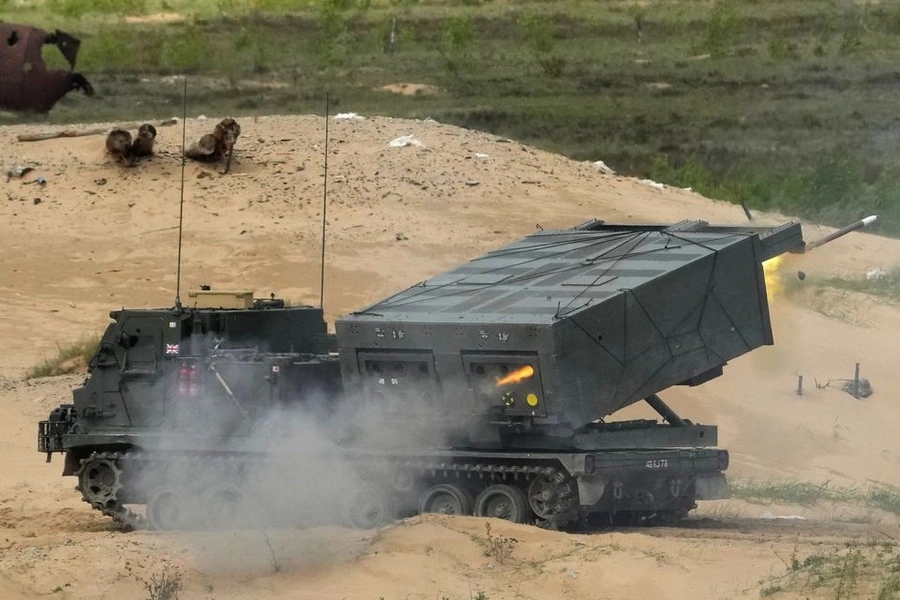
The U.S. provision of long-range rocket systems to Ukraine will not trigger a catastrophic campaign of Russian cyberattacks against American critical infrastructure, as long as Ukraine continues to only use the systems within its own territory. The reality is that the latest weapons transfers are not a significant escalation and will not lead Russia to expand its cyberattacks. Russian threat actors are devoting most of their resources to defending networks within their own country and attacking Ukrainian networks, and devoting resources to attacking the West would distract from the core Russian objective of capturing Ukrainian territory. This combination of Russian cyber priorities and the similarity between current weapons shipments and previous ones combine to ensure that Russia will not retaliate against the United States through cyberspace for providing rockets to Ukraine.

US-Russian Contention in Cyberspace

Lauren Zabierek

Introduction

In recent years, as news of U.S.-Russian tensions in the cyber domain has dominated headlines, some strategic thinkers have pointed to the need for a bilateral cyber “rules of the road” agreement. American political scientist Joseph Nye, a former head of the U.S. National Intelligence Council, wrote in 2019 that, even “if traditional arms-control treaties are unworkable” in cyberspace, “it may still be possible to set limits on certain types of civilian targets, and to negotiate rough rules of the road that minimize conflict.” Robert G. Papp, a former director of the CIA’s Center for Cyber Intelligence, has likewise argued that “even a cyber treaty of limited duration with Russia would be a significant step forward.” On the Russian side, President Vladimir Putin himself has called for “a bilateral intergovernmental agreement on preventing incidents in the information space,” comparing it to the Soviet-American Agreement on the Prevention of Incidents on and Over the High Seas. Amid joint Russian-U.S. efforts, the Working Group on the Future of U.S.-Russia Relations recommended several elements of an agreement in 2016, among them that Russia and the U.S. agree “on the types of information that are to be shared in the event of a cyberattack” (akin to responses to a bio-weapons attack) and prohibit both “automatic retaliation in cases of cyberattacks” and “attacks on elements of another nation’s core internet infrastructure.” Most recently, in June 2021, a group of U.S., Russian and European foreign-policy officials and experts called for “cyber nuclear ‘rules of the road.’”

Will America Again Play Catch Up on Tech?

Venkatesh "Venky" Narayanamurti

Regarding your editorial “Breaking Big Tech Bad” (June 6): Success in areas such as artificial intelligence and quantum computing requires critical mass and substantial, sustained financial capital. In the U.S., the major advances in AI and QC are coming from Big Tech companies like Google, Microsoft, Tesla and Amazon. They have the scale and enormous infrastructure for computational hardware and software. As a result, they lead the world in these areas.

Americans should be concerned that antitrust activity may break up Google, Amazon or others. Although these companies need regulatory guidance, sacrificing scale in the name of domestic competition isn’t a wise strategy for the global marketplace.

China has larger technology companies like Baidu and Alibaba. Let us not make the mistake we made in breaking up AT&T and Bell Laboratories, home of the transistor. Information science and networking technology began its decline and Huawei became a dominant force in 5G. America must lead and not perpetually be catching up.

China’s real ambitions for the South Pacific

John Garrick and Yan C. Bennett

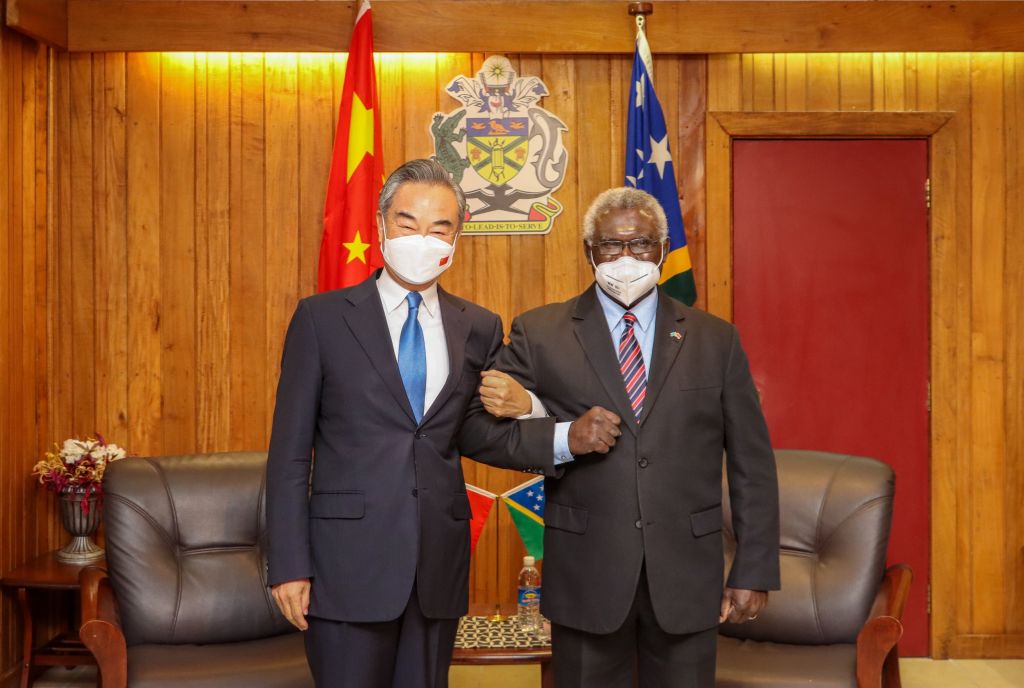
President Xi Jinping’s ‘China dream’ now extends across the Pacific Ocean, where his foreign minister, Wang Yi, recently completed a Pacific islands tour of sweeping ambition. Set against the backdrop of China’s stagnating economy yet continuing drive for world power, Wang sought to finalise Beijing’s security agreement with Solomon Islands; visited Fiji, Kiribati, Samoa, Tonga, Vanuatu, Papua New Guinea and Timor-Leste; and hosted a meeting of Pacific island foreign ministers in Suva. Wang’s plans, however, didn’t all go smoothly. The Chinese Communist Party will, nonetheless, learn from its failed attempt at achieving a multilateral Pacific deal.

Wang proposed that China and the Pacific countries jointly formulate a ‘marine spatial plan’ to develop the so-called blue economy. Beijing is offering more investment through private capital and Chinese enterprise investment in Pacific island countries. China also proposes new security arrangements, including cybersecurity, reflecting Xi’s ‘global security initiative’, entailing Chinese police and other security forces dispatched to work with participating island nations at both bilateral and regional levels.

Joe Biden’s Blank Check Strategy Won’t Help Ukraine Beat Russia

Daniel Davis

Joe Biden’s Ukraine strategy won’t stop Ukraine from losing to Russia – Ukrainian Defense Minister Oleksiy Reznikov told CNN on Thursday that his government fully intended to continue fighting Russia until it could “liberate all our territories, all of it, including Crimea.” Battlefield and political realities in the region, however, suggest that Ukraine may not only fail to wrest all its territories back unless Kyiv changes its military and diplomatic strategies soon, it may instead be faced with the most unpleasant outcome imaginable: an outright military defeat.

Reznikov made his comments on the margins of a Brussels summit of more than 45 nations, led by the United States, which had gathered to commit additional heavy weaponry to Ukraine. The U.S. was the first to announce additional weapon contributions and other major European nations are expected to follow suit in the coming days. But it is clear that the total number of weapons and volume of ammunition will fall far short of what Ukraine needs to have a chance to win a war against Russia.

China’s military expansion is reaching a dangerous tipping point

Josh Rogin

Top military leaders from the United States and China met last weekend at a forum in Singapore, where they attempted to manage mounting tensions between the superpowers. But throughout Asia, there’s growing fear that China’s drastic military expansion will soon result in Chinese regional military superiority, which could embolden Beijing to start a war over Taiwan.

That sense of urgency was palpable at last week’s Shangri-La Dialogue, an annual conference of diplomats, officials and experts from across Asia, organized by the London-based International Institute for Strategic Studies. Over three days of discussions, a common sentiment emerged: China is racing to become the dominant military power in Asia in the next few years — and if it succeeds, Beijing is likely to use force to attempt to subdue Taiwan’s democracy. Russia’s attack on Ukraine has dispelled any notion that revisionist dictatorships can be deterred by anything short of a superior opposing military force.

ow Dispersed Operations Saved Ukrainian Air Force


Much has been made of Russian Air Force destroying or damaging runways and air strips in the opening days of the invasion of Ukraine, but this was a massive mistake by the clueless Western analysts and journalists.

Fact is, this was a mistake. Majority of Ukrainian combat aircraft were MiG-29, Su-27 and Su-25 aircraft. All these aircraft were designed to operate from improvised field air bases, be it road bases or open field bases. Much like Sweden with JAS-35/37/39, Soviet aircraft designers assumed that in any conflict, the enemy will target the air bases and other air force infrastructure as a priority – which was, in fact, part of the NATO doctrine. As a result, they designed the aircraft to use improvised bases.

Cyber and the Laws of War in Ukraine

David Craig

Episode Summary

On the RealClearDefense podcast “Hot Wash”, RealClearDefense editor David Craig speaks with retired Army Colonel and former General Counsel at US Cyber Command about Cyber and the Russian war in Ukraine. What are the implications for the law of war, and how cyber might provoke larger NATO involvement in the war?

Episode Notes

On the RealClearDefense podcast “Hot Wash”, RealClearDefense editor David Craig speaks with retired Army Colonel and former General Counsel at US Cyber Command about Cyber and the Russian war in Ukraine. Corn is also a professor at the American University Washington College of Law's Tech, Law and Security program. What are the implications for the law of war, and how cyber might provoke larger NATO involvement in the war?

Complex Support for a More Competitive Operational Environment

Noah Thurm

Introduction

The Army’s 2008 revision to Field Manual 3-0, Operations, defines “full-spectrum operations” that achieve synthesis of offensive, defensive, stability, and civil support capabilities.[1] FM 3-0 also describes the new operational environment as one characterized by persistent conflict—protracted hostilities and confrontation among state, nonstate, and individual actors willing to use violence for political ends.[2] There is temporal and attitudinal conflict between full-spectrum operations and the operational environment described and leaving this doctrinal conflict unresolved can easily lead to confusion and failure to achieve operational objectives. Full-spectrum operations are a retrospective device meant to crystallize the lessons learned from protracted conflict and counterinsurgency in Iraq and Afghanistan. By contrast, describing a new operational environment characterized by the conspicuous absence of complete peace is necessarily prospective, making a probabilistic judgment about what the future of Army operations might look like. The endstate is doctrine that will send forces to tomorrow’s war armed only with yesterday’s tools.

Knowing the Knowable: Two Fallacies of the Military Paradigm

John Stanczak

Introduction

The U.S. military paradigm is rooted in two dangerously outmoded assumptions about 21st-century reality. First is the military’s assumption of proportionality, or that every action has an equal and opposite reaction. This leads to a corollary that causal relationships of the future are generally knowable. The second is the assumption of additivity: that the behaviors of a whole are a scaled reflection of that whole’s disaggregated parts. With this assumption, knowing the parts provides full knowledge of the whole, creating the assumption that all wholes are knowable through aggregating the knowledge of their parts.

These assumptions are at the foundation of the U.S. military paradigm, manifest in both doctrine and practice throughout the joint force. Military planners solve problems by projecting cause and effect relationships onto their chosen parts of an operational environment. Planners assign enemy actions to undesirable conditions, and having determined causal relationships, label the resulting discrepancy a “problem statement.” Once the problem is discovered, planners direct limited resources to reciprocal causes, or decisive points, assuming they will generate desirable effects on the parts to achieve the end state conditions of the whole.

The Enemy of My Friend Remains My Friend: China’s Ukraine Dilemma

Horia Ciurtin

Introduction

State media in China remains equivocal about the level of destruction and mayhem caused by the Russian invasion of Ukraine. However, the Chinese government has stated it will meet the challenge of overcoming strained global supplies resulting from the conflict, and has emphasized that the nation’s food security will be ensured (People’s Daily, June 2; China News Service, May 27). Nevertheless, given Ukraine’s position as a global agricultural supplier, China has not fully appreciated the scope of the problem.

At a broader level, the war is a litmus test for China’s ability to navigate geopolitical troubles along the Belt and Road Initiative (BRI). Thus far, the conflict has underscored the difficulties facing China in moving beyond convenient cordialities to play the role of a benign ‘balancer’ in global politics. In its relationships with Moscow and Kyiv, Beijing is entangled financially with both sides. Furthermore, China is now exposed to secondary sanctions due to its economic entanglement with Russia. At the same time, its investments, construction projects and supply chains that traverse Ukraine risk destruction as the war drags on.

Dominate or Navigate? China’s 3rd Aircraft Carrier, The ‘Biggest’ Outside US, To Boost Its Protectionist, Non-Interventionist Policy

Parth Satam

EMALS functions on powerful magnetic fields generated by electromagnetic induction motors to propel lighter objects, use fewer resources and recharge faster.

Unlike the steam-powered Catapult Assisted Take-Off But Arrested Recovery (CATOBAR) launch systems on the older generation of US aircraft carriers before the Gerald R Ford class.

CATOBARs can launch fully armed and loaded jets and even heavier Early Warning Aircraft without depending on helicopters with limited range.

Experts assume China’s fourth carrier to be nuclear-powered, allowing it to stay out at sea longer and carry more fuel, cargo, artillery, and aircraft, because of the space created with the loss of a large gas turbine.

Nuclear power can also propel more powerful EMALS systems and possibly even Directed Energy Weapons (DEW) for shooting down missiles and jets.

Who Will Hold “The Barrel of a Gun” in Xi’s Third Term?: Recent PLA Promotions and the Outlook for the Next Central Military Commission

Eli Y. Huang, Reginald Y. Lin

Introduction

On January 21, General Secretary and Central Military Commission (CMC) chairman Xi Jinping promoted seven senior People’s Liberation Army (PLA) military and armed police officers to the rank of general: Political Commissar (PC) of Northern Theater Command Liu Qingsong, Commander of Central Theater Command (TC) Wu Ya’nan, PC of Central TC Xu Deqing, PC of Army Qin Shutong, PC of Navy Yuan Huazhi, Commander of Rocket Force Li Yuchao and PC of the People’s Armed Police (PAP) Zhang Hongbing (Xinhua, January 21). The personnel changes were the latest in a spree of promotions by Xi, who has elevated a record 38 officers to the full general rank since 2019. Xi’s rapid promotion of so many generals is extraordinary as it breaches long-standing military convention. In the past, the CMC chairman has normally presided over only one round of promotion of full generals per year, usually around Army Day on August 1 (八一, bayi) (China Brief, January 25).

Uncertainty surrounding the promotion process for PLA generals has increased since Chinese military reforms kicked off in 2016. Such developments triggered a discussion of whether objective qualifications have been replaced with Xi’s subjective preferences. Since judging the candidates’ relations with Xi and the level of subjective preference is difficult, this article argues that basic qualifications – age, seniority and experience, and other indicators for advancements such as key positions, leader’s preference and party involvement – remain key considerations for promotion. Nevertheless, as some observers have suggested, changing patterns of generals’ promotion may also reflect Xi’s efforts to ensure he retains his core leader status at the 20th Party Congress in late 2022.

Beijing’s Propaganda Support for Russian Biological Warfare Disinformation, Part 1: Accusations Concerning the War in Ukraine

John Dotson


Introduction

Since Russia launched its full-scale invasion of Ukraine in late February, People’s Republic of China (PRC) officials and state media have promoted and amplified key elements of Moscow’s narrative that the war has been provoked by the United States and its NATO allies in Europe. At several PRC foreign ministry press conferences this spring, spokespeople lent credence to Russian disinformation that U.S.-sponsored biological laboratories had been “discovered” in Ukraine, and implied that the U.S. is in contravention of its obligations under the Biological Weapons Convention (PRC Foreign Ministry [FMPRC]), March 16; April 14; April 19). These same themes have also been actively promoted in state-controlled media. This article examines the origins of this Russian disinformation effort concerning alleged U.S. biological facilities in Ukraine, and analyzes some of the means by which Beijing has helped to amplify this narrative.

Russian Allegations Regarding Biological Warfare Labs in Ukraine

Amidst the extensive propaganda and disinformation spread by the government of the Russian Federation in relation to its war of aggression in Ukraine, one of the most prominent narratives invoked to justify the invasion—aside from the bizarre assertion that the invasion is intended to liberate Ukraine from “drug addicts and neo-Nazis”—is the conspiracy theory that the U.S. has been funding and sponsoring biological warfare laboratories in Ukraine (TASS, February 25; March 9). One of the most prominent spokesmen for this disinformation campaign has been the commander of the “Nuclear, Biological and Chemical Protection Forces of Russia” Lieutenant General Igor Kirillov, who has actively pushed the allegation in a series of public statements since mid-March.

Unemployment Monitoring and Early Warning: New Trends in Xinjiang’s Coercive Labor Placement Systems

Adrian Zenz

Introduction

In mid-2019, the first efforts to systematically research and conceptualize state-sponsored forced labor systems in the Xinjiang Uyghur Autonomous Region (XUAR) took place (Journal of Political Risk, December 2019). First, this research examined the placement of detainees in Vocational Skills Education and Training Centers (VSETCs, 职业技能教育培训中心, zhiye jineng jiaoyu peixun zhongxin), which function as re-education camps; and second, the findings detailed the transfer of rural surplus laborers (农村劳动者转移就业, nongcun laodongzhe zhuanyi jiuye) into secondary or tertiary sector work – referred to as Poverty Alleviation through Labor Transfer (脱贫转移就业, tuopin zhuanyi jiuye). In addition to general evidence for coercive labor placements into labor-intensive manufacturing, scholars uncovered evidence of coercive labor transfers for specific economic sectors such as cotton and tomato picking, as well as the production of polysilicon for solar panels (Newlines Institute, December 2020; CBC News, October 29, 2021; Bloomberg, April 2021).[1] Much of the evidence implicating these industries came from publicly available government data, media or company reports, typically dating from between 2017 and 2020. Unfortunately, since then, such evidence has become much sparser. This examination argues that this falloff in information is not just due to government censorship. Rather, it also reflects systemic and concerning changes to the ways that coercive labor placements in Xinjiang are being consolidated.

Xi Seeks to Accelerate China’s Drive for Self-sufficiency

John S. Van Oudenaren

One of the defining themes of General Secretary Xi Jinping’s first decade in power has been to promote self-sufficiency to insulate the People’s Republic of China’s (PRC) economy and political system from external shocks. These efforts have assumed added urgency as a result of the combined economic ramifications of the COVID-19 pandemic and the Russian invasion of Ukraine, which have precipitated price spikes in global food and energy markets. According to China’s official Consumer Price Index figures, from April 2021 to April 2022, fresh vegetable prices rose by 24 percent, fresh fruit by 14.1 percent, eggs by 13.3 percent, and potatoes by 11.8 percent (National Bureau of Statistics (NBS), May 11). Meanwhile, the prices of gasoline, diesel and liquefied petroleum increased by 29.0 percent, 31.7 percent and 26.9 percent respectively. In seeking to tame runaway prices, the PRC must also overcome a domestic externality of its dynamic clearance zero-COVID policy, which is panic buying of food and other essentials. People are naturally driven to stockpile food to safeguard against the shortages that have occurred due to the logistical difficulties of sustaining home deliveries to tens of millions of urban residents during the recent mass lockdowns in Shanghai, Xi’an and other cities (China Brief, April 8; January 14). This dynamic played out again last week in Shanghai when another round of mass testing was announced for about half of the population, which sparked fears that the city was on the verge of a return to the sort of draconian lockdown it had endured in April and May (VOA Chinese, June 10). Despite government reassurances that a city-wide lockdown was not imminent, panic buying ensued at many supermarkets with shelves stripped of vegetables and instant noodles (NetEase, June 12, 2022).

New NATO Strategic Concept Will Broaden Vision of Deterrence

PATRICK TUCKER

The new NATO Strategic Concept set to be unveiled later this month will press alliance members to envision deterrence as a matter not just of tanks and bombs but of supply chain security, cyberattacks, climate change, innovation, and more.

“The strategic concept needs to be able to live for the next decade, so it looks far beyond the current crisis in Ukraine. It looks at the implications for our security of…climate change, innovation, the use of…hybrid warfare, cyber war and the role of cyber in our societies. But also resilience. How resilient are our Western societies to these kind of attacks and what do we need to do in order to tackle that?” David van Weel, NATO’s assistant secretary general for emerging security challenges, said on Friday during the Defense One Tech Summit.

Much has changed since NATO’s most recent strategic concept document came out in 2010, Van Weel said. Even before Russia launched a brutal war on the alliance’s doorstep, its members had growing concern about China’s rise, its influence over emerging technology, and its outsized share of the world’s electronics supply. The new concept will reflect the fact that future threats to alliance members won’t be purely military.

China and Russia: Exploring Ties Between Two Authoritarian Powers

Lindsay Maizland

Introduction

China and Russia have a long and complicated history, marked by periods of solidarity as well as disagreement. The neighbors have strengthened ties over the past decade, but some experts question the depth of their strategic partnership. They say the countries’ alignment is driven more by their common rivalry with the United States than any natural affinity for each other.

In the past, tensions have flared over issues including communist doctrine, their extensive shared border, and the COVID-19 pandemic. Today, people-to-people connections remain weak, and officials continue to distrust each other despite formal pronouncements of cooperation. Many foreign policy analysts say Russia’s 2022 invasion of Ukraine could be a turning point in the relationship, and how their relationship develops will likely have major consequences for the international order.

Are China and Russia allies?

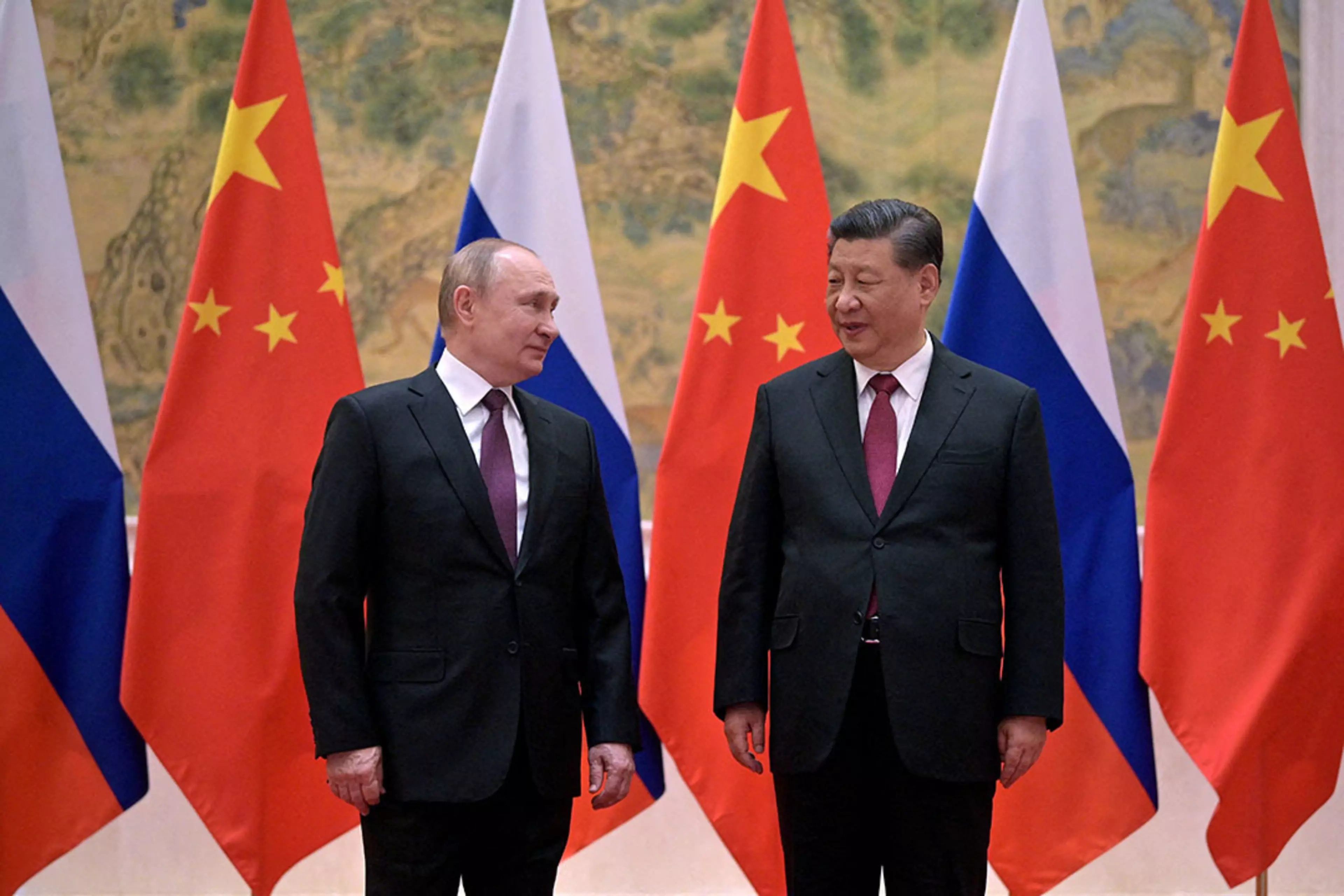
China and Russia are not formal treaty allies, meaning they aren’t bound to come to the other’s defense, and they are otherwise unlikely to do so in the case of Ukraine or Taiwan. But they call each other strategic partners and have grown closer in recent years. At a meeting in February 2022, days before Russia invaded Ukraine, Chinese President Xi Jinping and Russian President Vladimir Putin said their partnership has “no limits” and vowed to deepen cooperation on various fronts. Xi and Putin are believed to have a close personal relationship, having met with each other more than forty times since 2012.

The Consequences of Conquest Why Indo-Pacific Power Hinges on Taiwan

Brendan Rittenhouse Green and Caitlin Talmadge

Of all the intractable issues that could spark a hot war between the United States and China, Taiwan is at the very top of the list. And the potential geopolitical consequences of such a war would be profound. Taiwan—“an unsinkable aircraft carrier and submarine tender,” as U.S. Army General Douglas MacArthur once described it—has important, often underappreciated military value as a gateway to the Philippine Sea, a vital theater for defending Japan, the Philippines, and South Korea from possible Chinese coercion or attack. There is no guarantee that China would win a war for the island—or that such a conflict wouldn’t drag on for years and weaken China. But if Beijing gained control of Taiwan and based military assets there, China’s military position would improve markedly.

Beijing’s ocean surveillance assets and submarines, in particular, could make control of Taiwan a substantial boon to Chinese military power. Even without any major technological or military leaps, possession of the island would improve China’s ability to impede U.S. naval and air operations in the Philippine Sea and thereby limit the United States’ ability to defend its Asian allies. And if, in the future, Beijing were to develop a large fleet of quiet nuclear attack submarines and ballistic missile submarines, basing them on Taiwan would enable China to threaten Northeast Asian shipping lanes and strengthen its sea-based nuclear forces.

China uses AI deception in simulated space battle

GABRIEL HONRADA
Source Link

A Chinese research team has reported an experiment in which it says an anti-satellite AI learned to successfully trick its target in a simulated space battle.

In a paper published on April 25 in the domestic peer-reviewed journal Aerospace Shanghai, Dang Zhaohui, professor of astronautics from Northwestern Polytechnical University, and his colleagues conducted an experiment in which an AI commanded three small hunter satellites to capture a high-value target, repeating the exercise thousands of times.

The researchers also set penalty parameters for the hunter satellites, such as consuming more fuel and colliding with a teammate. In contrast, the target satellite gained points for each penalty incurred by hunter satellites.

Both sides performed poorly in the first 10,000 rounds. However, according to Dang, the hunter satellites learned faster – as they were working as a team – and after 20,000 rounds they secured an advantageous position. But the target satellite gradually learned its pursuers’ simple tactics and became better at avoiding capture, firing boosters to evade the hunter satellites.

With scant options in Ukraine, U.S. and allies prepare for long war

Missy Ryan and Dan Lamothe

The United States and its allies are making preparations for a prolonged conflict in Ukraine, officials said, as the Biden administration attempts to deny Russia victory by surging military aid to Kyiv while scrambling to ease the war’s destabilizing effects on world hunger and the global economy.

President Biden’s announcement this week of an additional $1 billion in security aid for Ukraine, the single largest tranche of U.S. assistance to date, offered the latest proof of Washington’s determination to ensure Ukraine can survive a punishing battle for the eastern Donbas region. European nations including Germany and Slovakia unveiled their own shipments of advanced weapons, including helicopters and multiple-launch rocket systems.

“We’re here to dig in our spurs,” Defense Secretary Lloyd Austin said after convening dozens of nations in Brussels to pledge greater support for Kyiv.

America Must Not Forfeit Technology Dominance

Carl Szabo

While images of Putin’s horrific attacks on Ukrainian civilians are captivating the world, he and other malicious agents are quietly preparing for assaults we cannot see: cyber warfare on a catastrophic, worldwide scale. Last year we saw the Colonial Pipeline shut down from a cyberattack and American hospitals shut down by ransomware. This is just a glimpse of the damage and suffering successful cyberattacks can inflict.

While America’s standing as the world’s technology and innovation leader has positioned us to minimize such cyberattacks thus far, the Biden administration – much like they did with our energy independence – is weakening our cyber strength and independence. In 2022, cyber independence, much like energy independence, is critical to defending freedom and democracy. Forfeiting our dominance in this arena comes at great peril both at home and around the world.

Since the day he took office, President Biden and Congressional Democrats have undermined our energy and cyber independence, appointing agency heads and enacting executive orders designed to undermine America’s businesses.

JADC2: How the Army Is Bringing Next-Level Communication Systems to Life

Kris Osborn

What if an enemy mechanized column was approaching friendly forces through mountainous terrain when a forward operating mini-drone detected the fast-approaching force from the air? Consider the possibility that the mini-drone instantly networked real-time video to helicopters and medium-altitude drones engineered with AI-enabled software to process incoming sensor data, organize information, and use data links to transmit time-sensitive data to ground vehicles. Meanwhile, nearby F-35 fighters receive the same target information, enabling a coordinated multi-domain attack upon the enemy positions. Even more, what if this tactical scenario unfolded along a coastal area, and datalinks could network threat information to Navy surface ships in support of the friendly ground force?

These kinds of scenarios are fast becoming a reality as the Pentagon moves quickly to bring its Joint All Domain Command and Control (JADC2) program to life. Yet, bringing this to tactical and operational fruition is not without technical challenges. What if the incoming video was sent through a unique datalink that was not compatible with incoming GPS signals, sensors, helicopter command and control, or even vehicle computer systems? Such a technological infrastructure would impede or even fully preclude the connectivity necessary to make the aforementioned scenario possible.

Democracy vs Autocracy Is the Wrong Framing for the War in Ukraine

Kelly A. Grieco, Marie Jourdain 

On the first day of Russia’s full-scale invasion of Ukraine, amid the cacophony of war, Ukrainian President Volodymyr Zelenskyy said he heard the “sound of a new Iron Curtain” falling across Europe. That message resounded loudly in Washington and across Europe, where ever since the West has framed the war in ideological terms: Autocratic Russia, they explain, is waging a brutal and unprovoked war against Ukraine, because the latter aspired to follow the Western model of liberal democracy. As such, the world must help Ukraine to defend itself—or risk imperiling the entire “free world.”

This strategic narrative has been very effective in mobilizing the United States, European Union and other like-minded democracies, drawing as it does on national memories of the ideological confrontations and wars of the 20th century. It appeals to liberal values that are deeply embedded within the U.S. and Europe, infusing the West with greater unity and purpose.

NATO Increasingly Concerned About China

KRIS OSBORN

For the first time in its decades long history, the NATO alliance plans to formally cite “China” in its soon to be released Strategic Concept paper, a substantial adaptation which seems to reflect concern about Russian-Chinese collaboration and the global threat presented by China.

When asked about this upcoming Strategic Concept, US Defense Secretary Lloyd Austin was clear that indeed the NATO alliance will be keeping a close eye on China and the security situation in the Pacific.

“We've seen a number of countries that are members of this Alliance operate in the Indo-Pacific, some in conjunction with us and other countries like Australia and Japan,” Austin said following a meeting with NATO Secretary General Jens Stoltenberg in Brussels, Belgium. “The alliance as a whole…….. will pay attention to what’s going on in the region.”

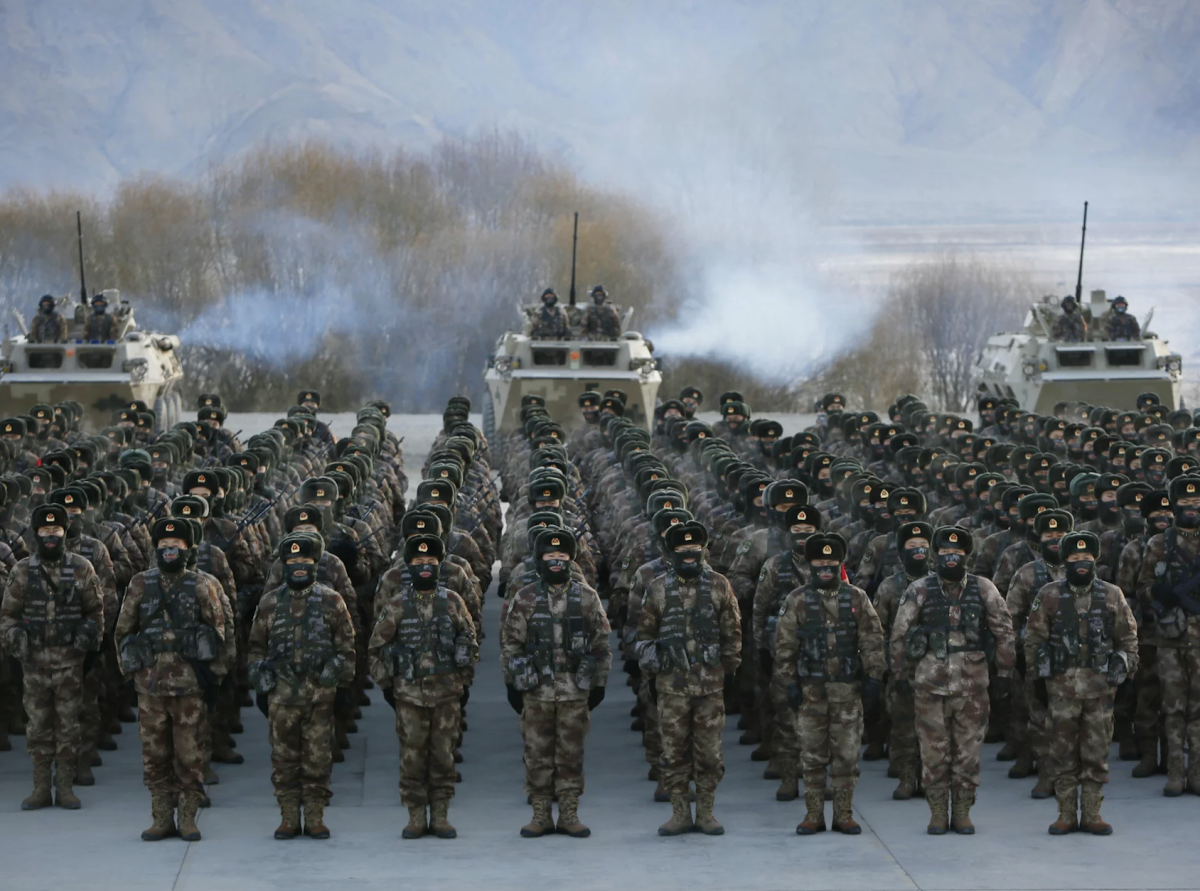
This Jan. 4 photo shows Chinese People's Liberation Army soldiers assembling during military training at Pamir Mountains in Kashgar, northwestern China's Xinjiang region.

There are a number of pertinent things which this move seems to suggest, the most obvious of which simply being China’s ability to present substantial security threats beyond the Pacific theater, potentially reaching Europe and the Mediterranean.

The sheer size and reach of the Chinese Navy, for instance, enables it to travel much farther distances than it previously could. China has quickly transitioned from a dominant regional power into a rival international power seeking dominance. Part of this global Chinese effort, articulated in the Pentagon’s annual report on China, is to vastly expand its global footprint in vital areas such as Africa.

Chinese Military

The Chinese military, for example, built a large military base on the Eastern coast of Africa right near a US facility in Djibouti. A port in a location such as this opens up avenues of approach into the Middle East and Indian coast, among other things. Submarines, carriers, warships and other threatening Chinese platforms could dock there to refuel, resupply and prepare for lengthy surface or underesea deployments capable of reaching previously inaccessible waters.


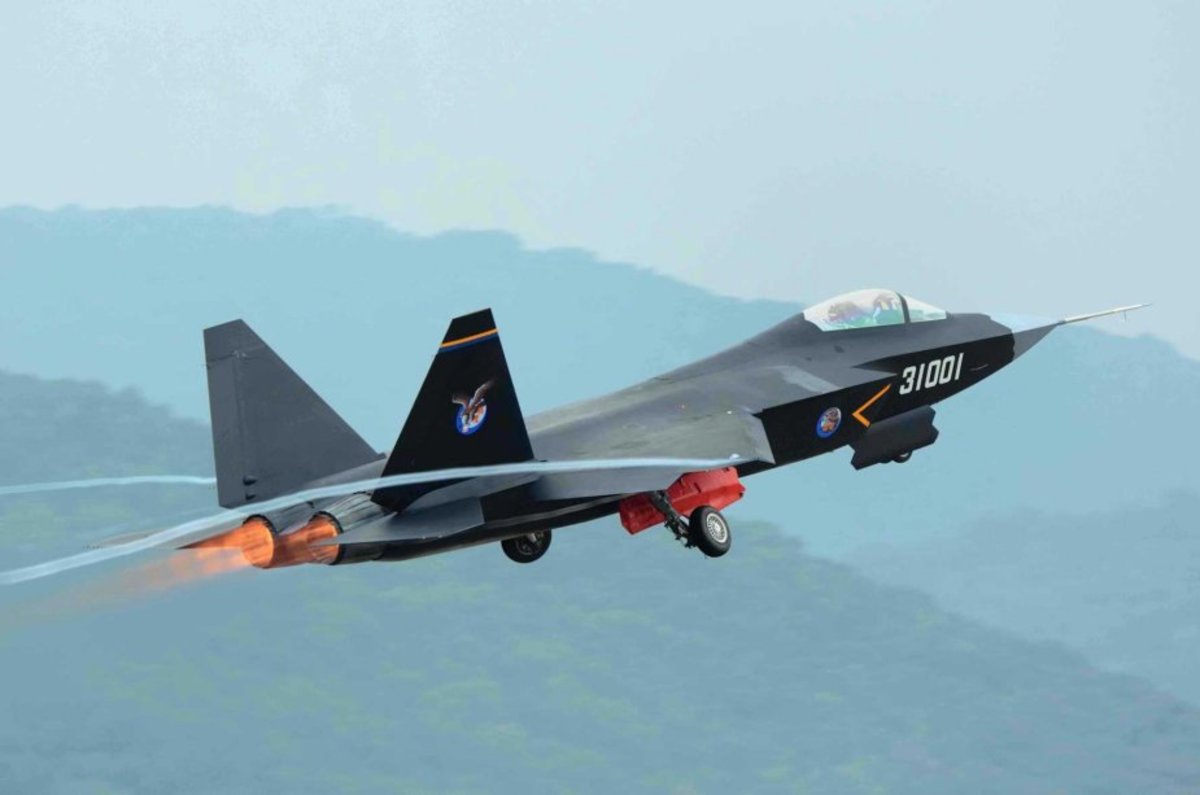
China’s Navy is already larger than the US Navy, and the People’s Liberation Army - Navy is already building its third aircraft carrier and a 5th-generation J-31 carrier-launched stealth aircraft to rival the F-35C.

When it comes to pursuing global domination, China unquestionably has the ambition, according to the Pentagon’s most recent China report specifies that the communist authoritarian country seeks to achieve a status as the dominant global power by 2049, when the PRC reaches its centennial. However, the pace of Chinese shipbuilding and modernization may suggest that China views this possibility as something even nearer term.