Mordechai Chaziza
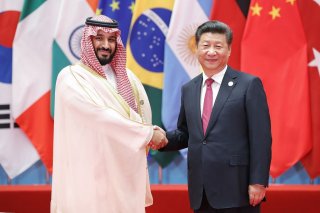
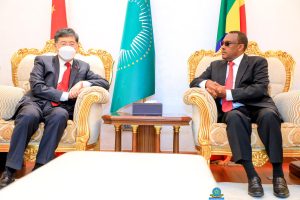
During his visit to Saudi Arabia in early December, Chinese president Xi Jinping attended the inaugural China-Gulf Cooperation Council (GCC) summit. The summit focused on improving China-GCC relations and forming security ties between the parties. In his speech at the summit, Xi called on the two sides to be “natural partners” for cooperation and proposed five major areas for cooperation: energy, finance and investment, innovation and new technologies, aerospace, and language and cultures. Nevertheless, a glance at the engagement shows where the focal point of each partnership lies: energy, technology, and trade. For the Gulf monarchies, trade ties with China will diversify their economies away from the oil that provides most of their national income. More importantly, in the context of global competition, the summit delivered no concrete commitments to deepen the China-GCC strategic partnership, and nothing new was announced in the realm of security.
The China-GCC Strategic Partnership
In the Gulf—where the United States has been the predominant external actor for decades—China has sought to forge close political ties with emerging powers to secure access to vital energy resources, expand its commercial reach, and enhance its strategic influence. While China believes U.S. hegemony in the Gulf is in decline, its approach to achieving great power status and influence has been cautious and hesitant. Fomenting instability does not benefit China, which has neither the will nor the capacity to fill the regional security role held by the United States. Instead, China has developed strategic partnerships with key GCC countries whose support can bolster its great power status and allow it to project its influence into new arenas.