Source Link
NEWS AND ANALYSIS:
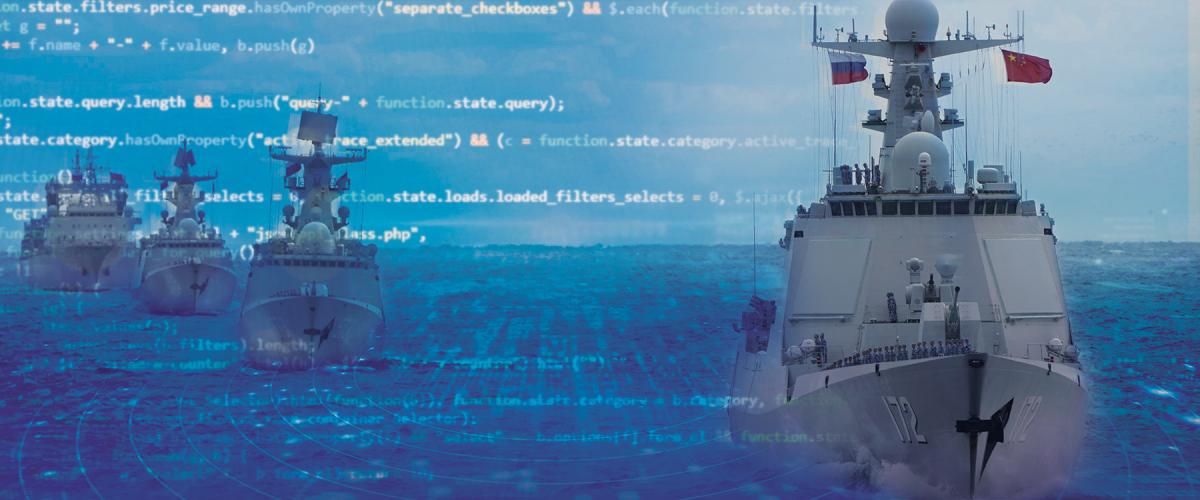
 The Chinese military will wage large-scale information warfare in a future conflict using cyber, electronic and conventional attacks to achieve “information dominance,” according to new details of Beijing‘s growing military capabilities outlined in the Pentagon’s latest annual report on the Chinese military.
“The concept of information warfare is an expansive concept that includes individuals, enterprises, societies and national communications networks that form integrated entities, encompassing the electromagnetic spectrum, psychology and perception and intelligence operations,” the report released this week states in a special section on the topic.
Cyber, electronic and conventional military strikes will seek to destroy enemy information systems and promote Chinese Communist messaging and disinformation, according to U.S. analysts.








:quality(100)/cloudfront-us-east-1.images.arcpublishing.com/thesummit/PTCTTJO52NBQVCMY5OZGHCJP64.jpg)


.jpg)