As artificial intelligence (AI) and machine learning (ML) technologies become more user-friendly, extremists and conspiracy theorists are using deepfakes, AI-generated audio and other forms of synthetic media to spread harmful, hateful and misleading content online.
Background & Definitions
Synthetic media is media content which has been fully or partially generated by technology, typically through artificial intelligence or machine learning processes. This includes any combination of video, photo or audio media formats, and may or may not be created with malicious intent. As an increasingly popular product often aided by Generative Artificial Intelligence (GAI) technology, which allows for more widespread access to the creation of synthetic media, such content has already been leveraged by bad actors to spread mis- and disinformation by way of deepfakes.
The definition of deepfakes has evolved over time to describe all forms of intentionally misleading synthetic media that are created using artificial intelligence or machine learning technology. Originally, deepfakes were defined as videos, sounds or images that replace the likeness of an existing individual with that of another. The term was coined in 2017 from the eponymous screenname of a Reddit user who shared pornographic content showing actress Gal Gadot’s face superimposed on the actual woman in the video – one of the first widespread deepfakes. “Cheap fakes” or “shallow fakes” are used to describe media that has been edited using far less sophisticated tools than those used for deepfakes, without the use of AI or ML technology. Tactics include reversing, deceptively editing or changing the speed of existing audio/visual media. Some synthetic media content may be created using both deepfake and “cheap fake” tactics.
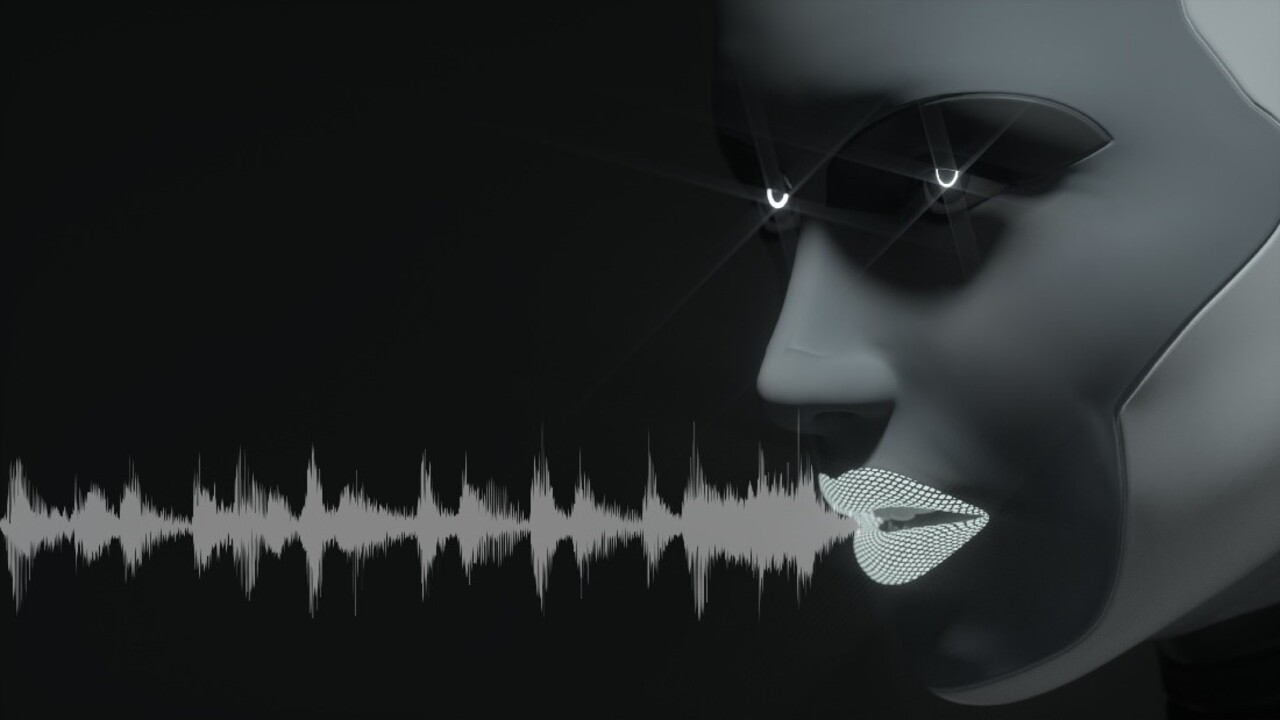
In the context of synthetic media, lip syncing is a technique where voice recordings are mapped – or synced – to a video of someone, making it appear that the individual has said something which they did not. This is sometimes achieved with audio-based deepfake techniques like synthetic speech, which uses artificial intelligence to mimic real voices that have been “cloned” from audio samples of authentic speech from celebrities, politicians or others. Users can make these generated voices “say” whatever they wish, much to the chagrin of celebrities and politicians targeted. This step helps in the generation of more convincing deepfakes.


/https%3A%2F%2Fengelsbergideas.com%2Fwp-content%2Fuploads%2F2023%2F06%2FDnieper-dam.jpg)