Biyon Sony Joseph

On July 28, Garden Reach Shipbuilders and Engineers (GRSE), an Indian state-owned shipyard, launched an autonomous underwater vehicle (AUV) named Neerakshi. A significant milestone in India’s efforts to strengthen its underwater capabilities, it is a collaborative effort between GRSE and Aerospace Engineering Private Limited (AEPL). Officials said that the vehicle can be used for a variety of functions such as mine detection, mine disposal, and underwater survey.
Lauding the indigenous partnership behind the prototype’s production, Defense Research and Development Organization (DRDO) Chairman Samir V. Kamat said that he is optimistic about the Indian defense industry’s capacity to provide innovative and cutting-edge technologies in order to meet the ever-growing demands of the armed forces.
Growing Relevance of Unmanned Underwater Systems
For centuries, all major powers have focused on dominating the oceans. This was largely made possible by the addition of submarines to their maritime forces, and eventually subs became an important part of modern naval warfare. In the last several decades, remarkable advancements in technology have enabled us to eliminate the human factor in this realm, allowing unmanned systems to play an active role on an unprecedented scale.
Unmanned underwater vehicles (UUVs), as the name suggests, are submersible systems that function underwater without a human operator on board. These are usually classified into two categories – remotely operated underwater vehicles (ROUVs) that operate with human support, and autonomous underwater vehicles (AUVs) that work independently in an automated fashion.

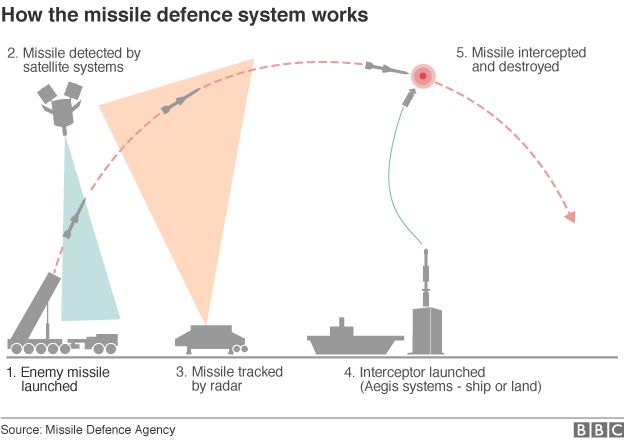 BBC via Missile Defence Agency