By AATISH TASEER
MARCH 19, 2015
 NEW DELHI — A BOATMAN I met in Varanasi last year, while covering the general election that made Narendra Modi prime minister of India, said, “When Modi comes to power, we will send this government of the English packing.”
The government of the English! The boatman naturally did not mean the British Raj; that had ended nearly 70 years before. What he meant was its extension through the English-speaking classes in India. He meant me, and he could tell at a glance — these things have almost the force of racial differences in India — that I was not just a member of that class, but a beneficiary of the tremendous power it exerted over Indian life.
“English is not a language in India,” a friend once told me. “It is a class.” This friend, an aspiring Bollywood actor, knew firsthand what it meant to be from the wrong class. Absurd as it must sound, he was frequently denied work in the Hindi film industry for not knowing English. “They want you to walk in the door speaking English. Then if you switch to Hindi, they like it. Otherwise they say, ‘the look doesn’t fit.’ ” My friend, who comes from a small town in the Hindi-speaking north, knew very well why his look didn’t fit. He knew, too, from the example of dozens of upper-middle class, English-speaking actors, that the industry would rather teach someone with no Hindi the language from scratch than hire someone like him.
India has had languages of the elite in the past — Sanskrit was one, Persian another. They were needed to unite an entity more linguistically diverse than Europe. But there was perhaps never one that bore such an uneasy relationship to the languages operating beneath it, a relationship the Sanskrit scholar Sheldon Pollock has described as “a scorched-earth policy,” as English.
India, if it is to speak to itself, will always need a lingua franca. But English, which re-enacts the colonial relationship, placing certain Indians in a position the British once occupied, does more than that. It has created a linguistic line as unbreachable as the color line once was in the United States.
Two students I met in Varanasi encapsulated India’s tortured relationship with English. Both attended Benares Hindu University, which was founded in the early 20th century to unite traditional Indian learning with modern education from the West. Both students were symbols of the failure of this enterprise.


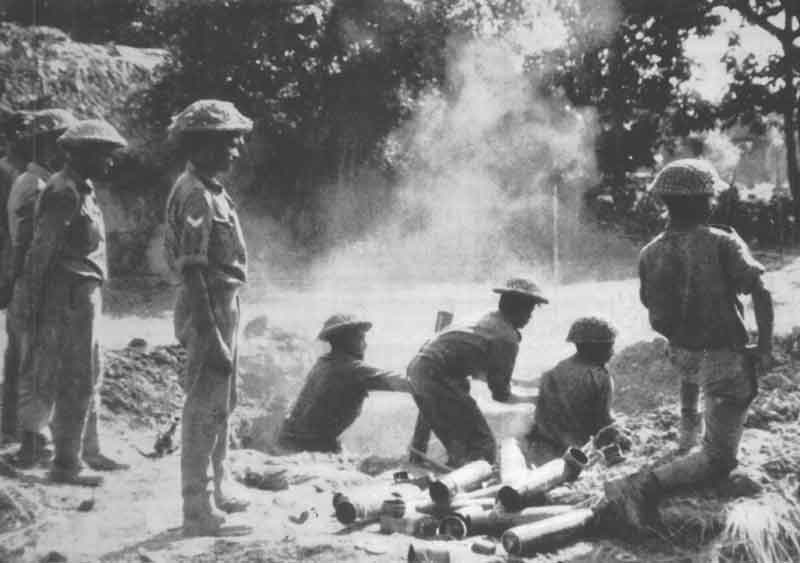


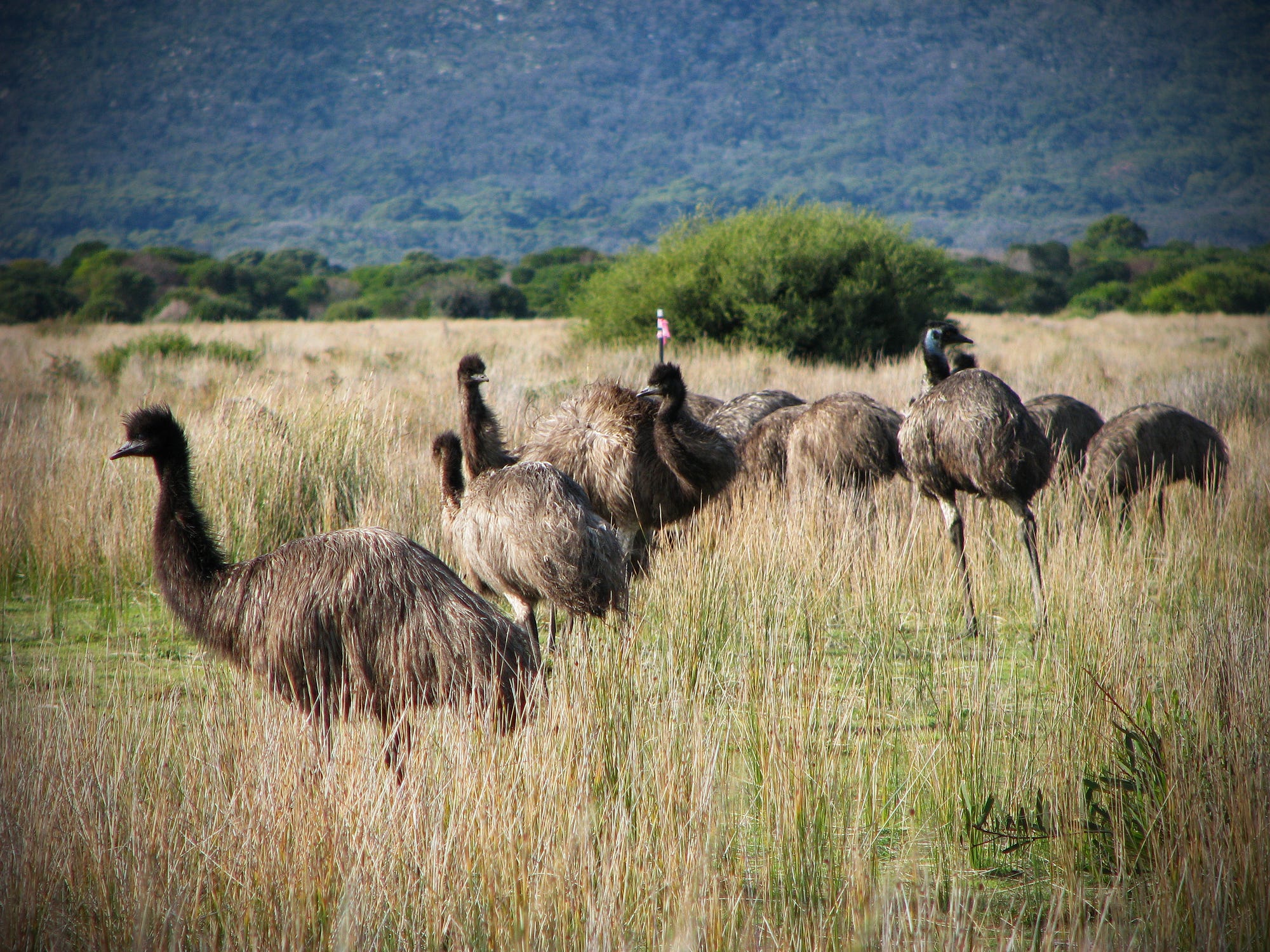 A pack of emus. Eduardo Mariz via Wikimedia. At top — Australian soldiers fire a Lewis machine gun during World War I. Photo via Wikimedia
 At top and above — Kurdish troops conduct room clearing exercises. Matt Cetti-Roberts photos
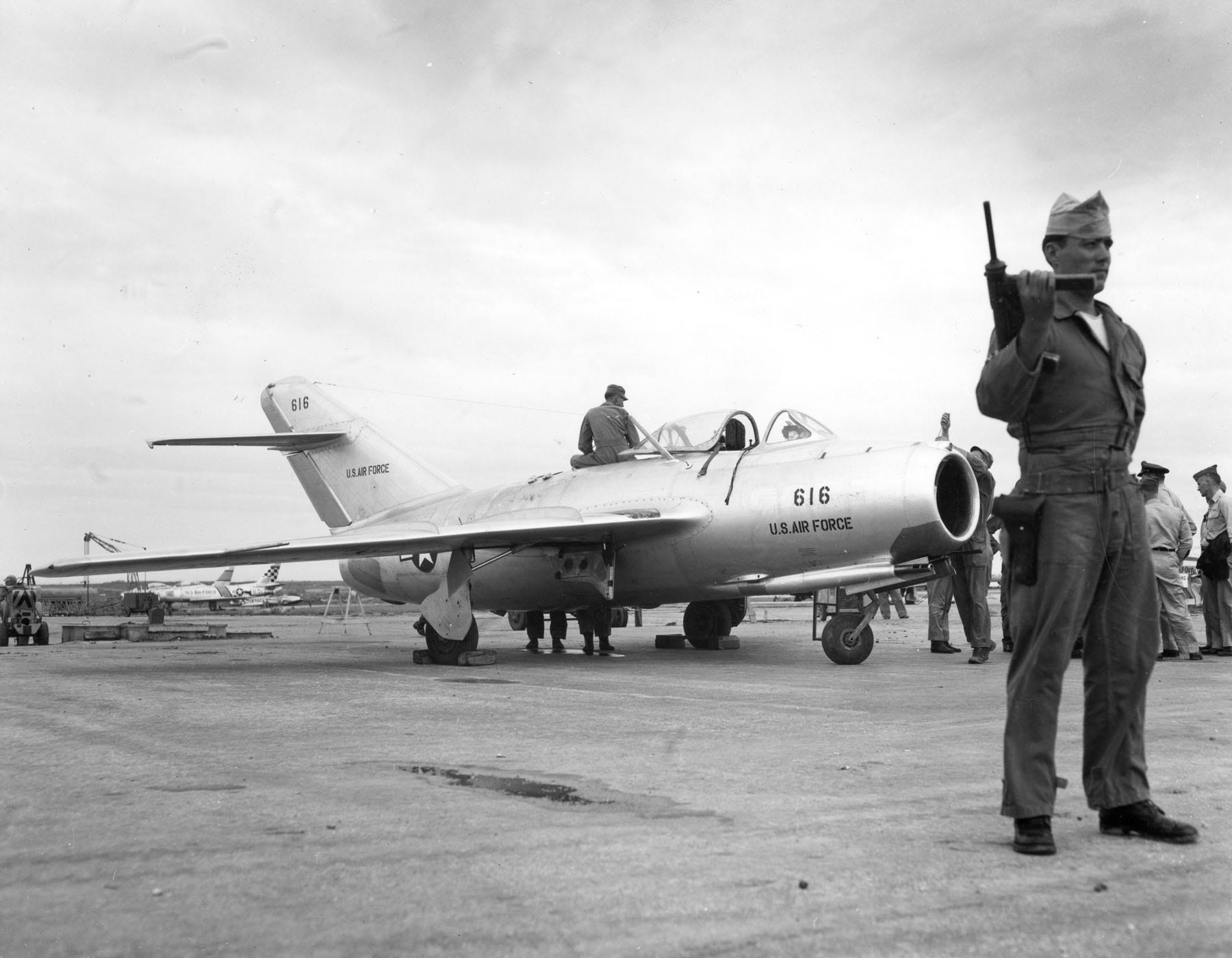 Above—No Kum-Sok’s MiG-15 in U.S. Air Force markings on Okinawa. At top—a test pilot takes off in Lt. No’s MiG-15 with an F-86 chase plane close behind. Air Force photos


