https://medium.com/the-bridge/the-roots-of-the-taliban-9087daa6a41f#.7ypw0rj4e
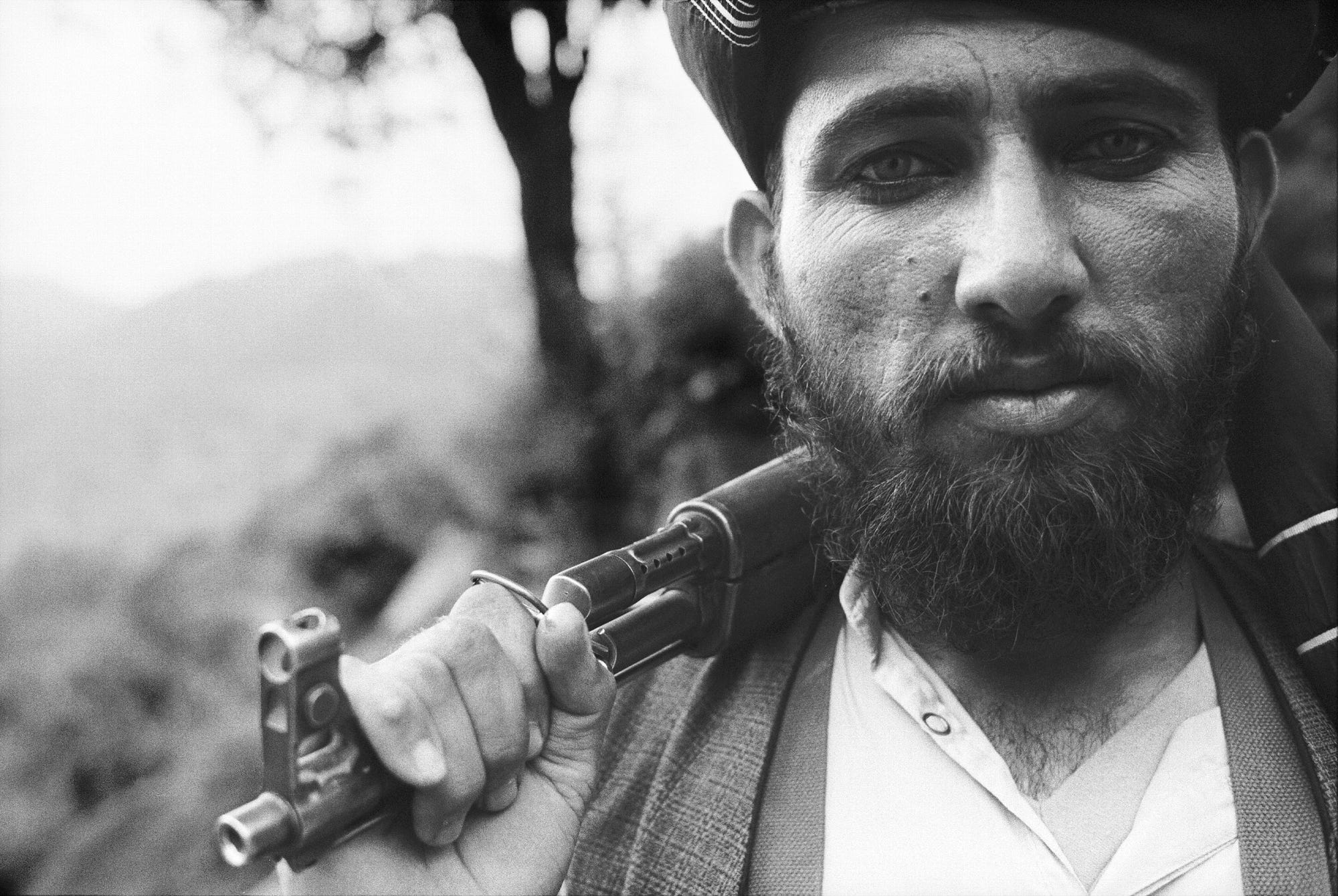
In a recent article for The Bridge, it was proposed that negotiating with the Taliban is not only morally reprehensible but also a fool’s errand as the movement is a proxy force of Pakistan. So long as Pakistan supports the Taliban, it was argued, a conclusion to the War in Afghanistan will remain elusive; the Taliban will be militarily neutralized only when Pakistan removes its support.
It’s hard to deny that Pakistan plays a substantial role in aiding the Taliban. Through its porous border with Afghanistan, Taliban fighters find sanctuary in Pakistan’s Federally Administered Tribal Areas, while accusations that Pakistan’s Inter-Services Intelligence (ISI) aids the Taliban are hardly new. This being said, the article places too strong an emphasis on how forcing Pakistan to end its support for the Taliban will resolve the conflict.
The general impression the article gives of the Taliban is that they are an artificial entity created and controlled by Pakistan, just as the rebels in Eastern Ukraine were created and are controlled by Russia. Such a position ignores the support the Taliban enjoys across various areas of Afghan society through tapping into Afghan culture, as well as the desire of Afghanistan’s population to achieve some degree of security and normality.
Religion and Pashtunwali
Like most of the Pashtuns who make up the bulk of the Taliban, Talibs are followers of Deobandi Islam. This reactionary branch of Sunni Islam was founded in India during the Raj out of fear that British rule was corrupting Islam.[1] With their religious schools (madrassas) being funded in-part by Saudi backers, the attending Talibs of mid- to late-twentieth century Afghanistan and Pakistan were taught an already conservative religion infused with ultra-conservative Wahhabism.[2]