North Korean leader Kim Jong Un (C) inspects an air drill involving special operation forces at an undisclosed location. The situation is tense across the Korean Peninsula in anticipation of further nuclear tests conducted by Pyongyang. (STR/AFP/Getty Images)
All eyes are focused on the Korean Peninsula. Signs suggest that North Korea is preparing to conduct another nuclear weapons test, perhaps as soon as April 15, to commemorate the 105th anniversary of the birth of the country's founder, Kim Il Sung. If Pyongyang follows through, the act will be nothing short of a provocation.
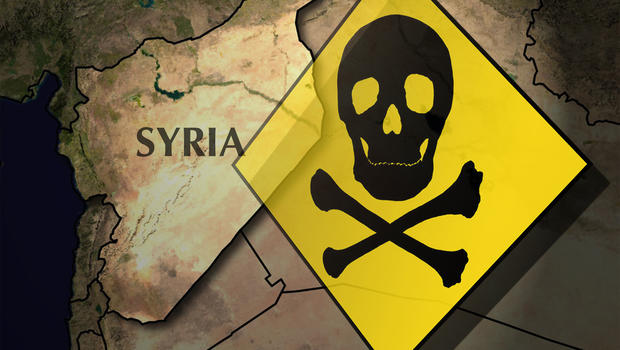
As tensions mount, China has stressed the importance of diplomacy and of preventing the situation from escalating to an "irreversible and unmanageable stage." So far, U.S. President Donald Trump's administration has relied largely on non-kinetic means such as additional sanctions and increased enforcement or enhanced regional missile defense to keep North Korea's nuclear ambitions in check. But Washington has made clear that it will keep all of its options open. As the United States demonstrated with its limited cruise missile strike in Syria on April 6, it is willing to take unilateral military action. And considering North Korea's dogged efforts to advance its nuclear program, the Trump administration will have to carefully calculate the risks of a potential military strike.
A Range of Options
Action against North Korea could take many shapes or forms, from a limited strike to a large-scale military offensive targeting all of North Korea's military assets. On the lowest end of the scale, the United States could launch a strike to punish North Korea for continuing to develop its nuclear and missile arsenal and to deter it from pursuing nuclear weapons in the future. A punitive strike may be limited to a single base or facility in the country, with the threat of further action down the line if Pyongyang doesn't alter its behavior. Though this kind of attack offers the best way to keep the situation from escalating, it would by no means ensure that North Korea heeds the United States' warning and eases up on its nuclear and missile development. Nor does it eliminate the risk that Pyongyang may respond to the strike in kind.