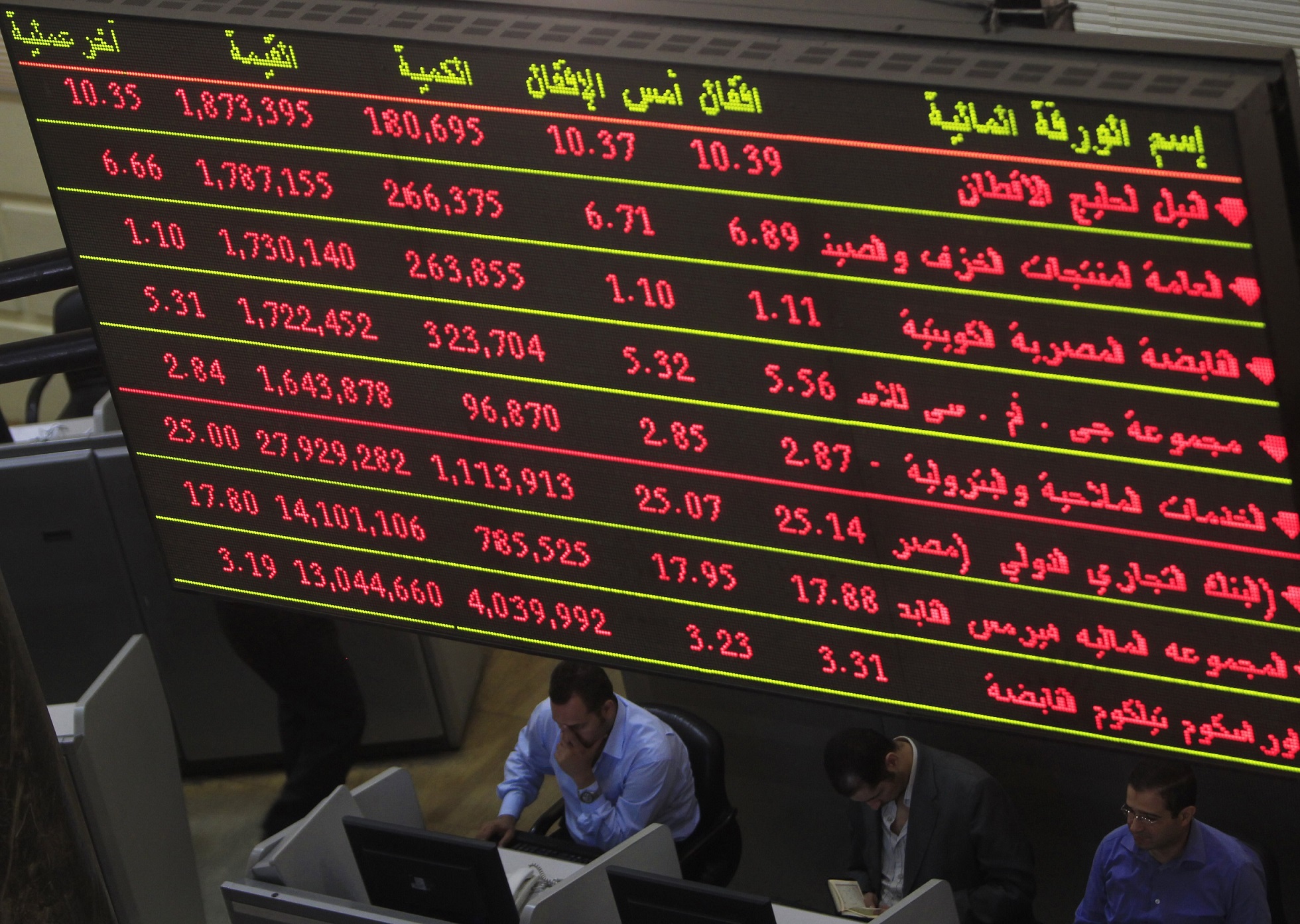
 Even if there is an effective medical response to the coronavirus soon, it will take many months, or even years, before the Middle East emerges from the economic crisis that has afflicted it and other regions since early 2020. The coronavirus crisis is in effect the new calamity following the decade of the “Arab Spring,” which severely undermined political and economic stability in a number of countries in the region and left 10 million refugees, mainly in Syria, Jordan, Lebanon, and Turkey. Israel is capable of handling its own problems created by the coronavirus crisis, but it will also have to deal with the political and the economic fallout of the two crises in the neighboring countries.The extent of coronavirus infection has not yet created a medical crisis in the health systems of Israel's neighbors in the Middle East. At the same time, the severe economic consequences of the virus are liable to affect the political environment. The cumulative damage results from the negative impact on five sources of income that have individually or collectively benefited every country in the region: oil and natural gas, tourism, transit fees, services, and remittances from workers in other countries, mainly in oil producing countries.
Oil prices have plunged in the past two months to around $20 a barrel, the lowest level since the beginning of the century (adjusted for inflation). The same is true for gas prices, which are linked to the price of oil. The main victims are the traditional oil producers; companies producing natural gas in Egypt and Israel will have to reprice the gas sold in local and overseas markets. The tourism sector and the related services have been paralyzed almost completely, with the recovery period projected to be among the longest. Egypt, Jordan, and Morocco (and Israel) are among the countries hit hardest in this industry. Egypt, Syria (until the outbreak of the civil war), Jordan, and Lebanon have all benefited over the years from income derived from international trade passing through their territory en route to East Asia and Europe. The reduction in demand caused by the coronavirus crisis has already hurt the large and local markets, consequently resulting in a loss in income. Egypt is prominent among those affected because of less traffic in the Suez Canal caused by the decline in international trade and tourism.
On the eve of the crisis, six million Egyptians, nearly 500,000 Jordanians, and approximately 400,000 Palestinians worked in the Gulf states, and one million Egyptians worked in Western Europe. The remittances by the workers in these countries to their families will be drastically affected by the crisis. Unemployment in host countries will rise, domestic demand will drop, and the immediate return of millions to their native countries in the Middle East will add to the burden on local systems, such as health and housing.
Governments in the region are dealing with the new economic situation in different ways. Egypt, for example, has allocated over $6 billion to combat immediate problems. Pensions and allowances were increased by over 10 percent, payment of salaries in especially hard-hit sectors was guaranteed, certain taxes were cut, and planned taxes were postponed. In the monetary sector, the bank interest rate was cut. The government intervened in the capital market, inter alia by buying shares. Salary payments were guaranteed in Jordan, especially for day laborers. Salaries were also ensured for public sector employees and those employed in the securities services. On the other hand, hiring in the public sector, the largest employer in Jordan, was frozen. The result will be lower expenditure, but also higher unemployment rates. Although Jordan promised the International Monetary Fund (IMF) that it would carry out fiscal reforms in return for large scale aid, implementation of these reforms will be postponed, with the IMF recognizing the constraints on the Jordanian government at the present time.
Saudi Arabia has allocated $19 billion, 2.8 percent of GDP, to an immediate aid program for the private sector. The program includes suspensions of taxes; aid in payments for health purposes; electricity price subsidies for companies in the commercial, industrial, and agricultural sectors; and aid for banks, so that they will be able to withstand late repayment of loans.
All of these measures, however, are for the short term, for the coming year. Even so, economists from the World Bank and the IMF expect negative 3.5-4 percent economic growth in 2020, amounting to $400 billion in lost GDP. Their forecast for 2021 is more optimistic: 3.9 percent growth in the region overall and 4.7 percent growth in the oil producing countries. This forecast, however, depends on a number of factors not subject to the control of governments and economies in the region, but above all recovery in the leading economies in the United States, the European Union, and East Asia. Countries in these regions have invested trillions of dollars in their own immediate aid plans ($2.2 trillion in the United States, for example). They will find it difficult to raise resources on the scale required to rescue the Middle East from the cumulative effect of the Arab Spring and the coronavirus crisis. Furthermore, the flow of direct foreign investments in the Middle East economies is expected to slow as a result of the economic uncertainty in the region.
The reduction of local and regional financial resources will raise unemployment rates, which were high in a number of countries even before the coronavirus crisis. Countries will therefore have difficulty sustaining recovery in their local economies, and the political stability of some regimes may be jeopardized. The use of emergency legislation granting the regime additional authority, such as enlisting the army to implementing certain measures, especially preventing public assembly, will sharpen public discourse, even if cautiously, about the long term significance for the status of the law and the democratic process. As of now, political forces that were bastions of criticism of the regimes, both conservative-clerical on one side and liberal on the other, have had to accept measures taken for the purpose of ensuring basic public needs and welfare in light of the pandemic. Closing the mosques and preventing public prayer, however, especially during the month of Ramadan, has met with dissatisfaction at religious institutions throughout the region.
The longer economic recovery takes in the Middle East, the more public criticism of the central government, its economic measures, and the various civil restrictions will be expressed. A return to a normal state is liable to be accompanied by a new outbreak of the virus and a return to the difficult conditions that prevailed before the crisis, including the fall in oil prices. These developments bode poorly for the region.
Cumulative effects of the upheaval in the Middle East over the past decade, on top of the lack of economic clarity about the coming years in the region, could culminate in political instability in Israel’s neighboring countries. For example, the relative stability in the past 15 years in relations with Lebanon is liable to be challenged as a result of that country's economy collapse, projected negative economic growth (12 percent) in 2020, and the postponement to the distant future of any revenue from natural gas. The ability of the Palestinian economy to move from negative growth in 2020 to positive 6.5 percent growth depends to a large extent on Israel's policy in the West Bank and toward Hamas in the Gaza Strip.
With Jordan, Israel will have to consider a series of important political and economic issues. Any annexation by Israel of parts of the West Bank will exacerbate the political rift between the leaders of Israel and Jordan, and will damage the delicate fabric of relations between them, in part because it will be convenient for the Jordanian regime to divert some of the internal criticism toward Israel. The fall in oil and natural gas prices will force Israel, as well as the gas companies, to assess political and financial consequences. The (not premature) death of the Red Sea-Dead Sea Canal project should be an opportunity for trilateral discussions between Jordan, the PA, and Israel about the Mediterranean-Sea of Galilee project, which can provide a long term solution to the water problems of Israel's two eastern neighbors. Furthermore, the coronavirus crisis has reignited the argument in Israel about the role of agriculture in the country and the need to consider this issue not only with respect to its economic aspects, but also from the standpoint of reliance on independent resources. In this context, it is also worthwhile considering the idea that substantial additional water could make Jordan the breadbasket of this part of the Middle East.
Egyptian-Israel relations likewise require renewed assessment. One of the cornerstones of these relations is cooperation on natural gas in both a bilateral framework and in the context of the Middle East Gas Forum that also includes Greece, Cyprus, and Italy, given the idea of laying a pipeline for transporting natural gas from the eastern Mediterranean Sea to southern Europe. This idea, highly tenuous even before the coronavirus crisis, will now be delayed indefinitely. On the other hand, the strategic importance for Israel of the Forum, established at the initiative of Egypt, requires thinking about ways to preserve it.
The fact that in Israel, Egypt, and Jordan, like other countries in the region, the army played a key role in the governments' ability to generate initial stability as a condition for an orderly process of emerging from the crisis is a matter that will be researched and studied. Israel has an interest in strengthening the civil-military dialogue on this question with the neighboring countries in order to create frameworks for future cooperation. Israel's relations with Egypt and Jordan rest on the military dimension, but a civilian dimension has now been added to the tasks of the armies in these countries, including in Israel. Israel may be able to extend cooperation with them to civilian matters, based on the existing connections with these armies. The Middle East dialogue that NATO conducts with seven Middle East and North African countries could constitute a suitable framework for meetings on this subject.
Thus the forecast for the region's future is primarily gloomy, and threatens to expose Israel to old-new dangers. However, it may also include an opportunity for new initiatives that will contribute to a positive turn in relations with its neighbors.
No comments:
Post a Comment